Ontwikkelen van een toekomstbestendig bemensingsmodel gebaseerd op werkbelasting voor de binnenvaart
Toegepast onderzoek voor een evidence-based bemensingsmodel voor de Europese binnenvaart waarbij de bemanningseisen zijn afgestemd op de werkbelasting.
Sector
Area of expertise
Timeframe
Rail
Change type
Organisational Change
The Challenge
De binnenvaart in Europa heeft de afgelopen decennia een transformatie ondergaan. De bestaande bemanningsregelgeving, die meer dan dertig jaar oud is, houdt geen rekening meer met de technologische ontwikkelingen en de veranderende arbeidsmarkt.
The Outcome
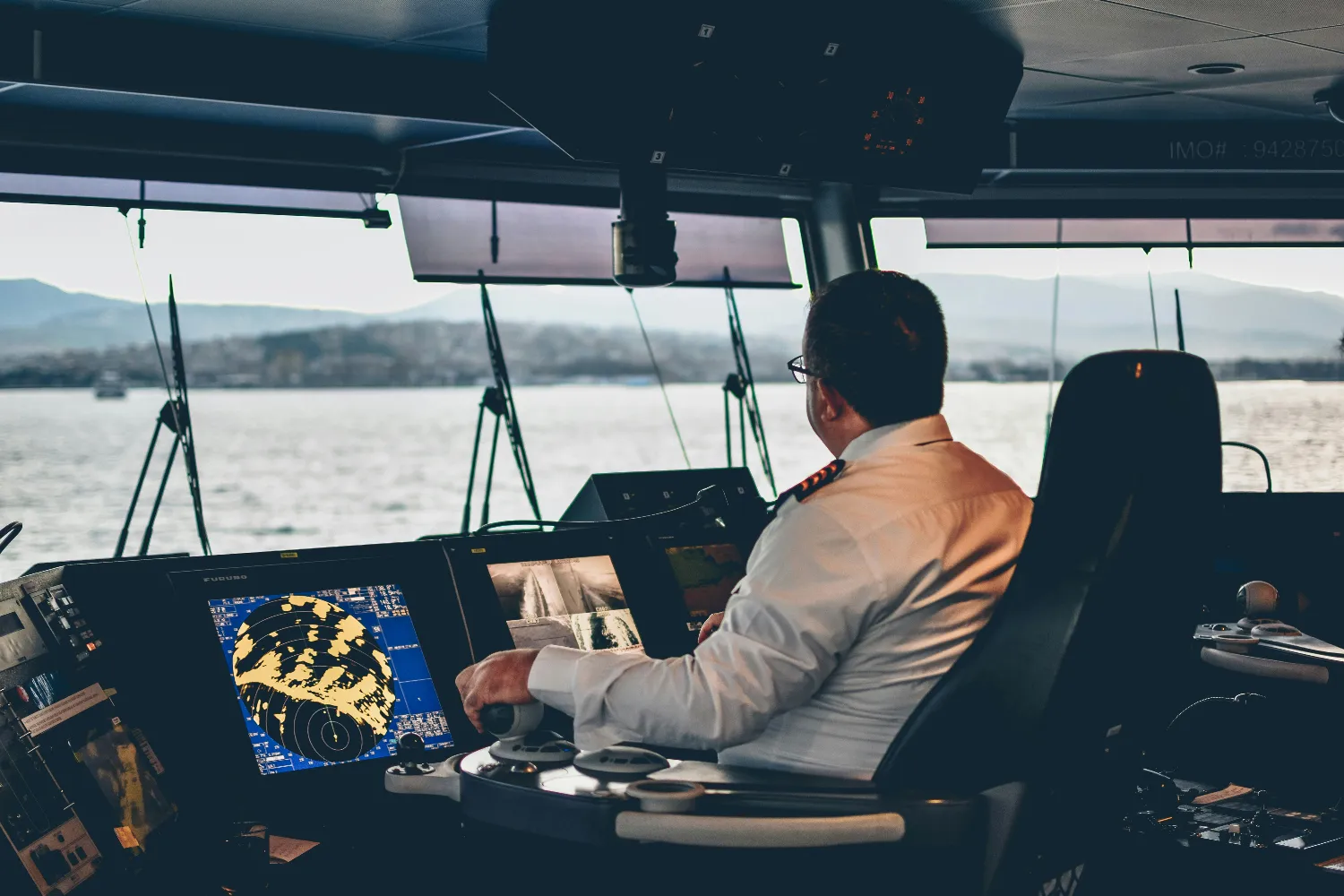
Het project benadrukte het belang van het integreren van werkbelastingsoverwegingen in bemanningsregelgeving, waarbij de impact van moderne technologie en een vergrijzend personeelsbestand centraal stonden. De bevindingen benadrukten de noodzaak van evidence-based regelgeving.
ISO-gecertificeerd