Explore whether our approach fits your context
If this way of working aligns with the challenges you face, we can explore whether Intergo’s role would add value in your context.

De menselijke maat in technologie
Wat wij doen
Intergo helpt organisaties bij het introduceren, ontwerpen en implementeren van nieuwe technologie in complexe operationele omgevingen. Nieuwe systemen, automatisering en digitale tools kunnen prestaties verbeteren, maar veranderen ook hoe mensen werken, samenwerken en risico’s beheersen.
Daarom kijken we verder dan de technologie zelf. We onderzoeken hoe nieuwe oplossingen aansluiten op bestaande systemen, werkprocessen, organisatiestructuren en de dagelijkse praktijk. Daarbij brengen we de effecten in kaart op veiligheid, gezondheid, werkbaarheid en operationele prestaties.
Waar nodig ontwikkelen en testen we concepten, interfaces of prototypes. Met gebruikersonderzoek, simulaties en praktijkgerichte toetsing onderzoeken we hoe mensen met technologie omgaan en of deze veilig en effectief werken ondersteunt.
Op basis van die inzichten adviseren we over keuzes, inrichting en implementatie. Tegelijk ontwerpen we concrete oplossingen: van interfaces en werkplekken tot procedures en werkomgevingen.
Zo zorgen we dat technologische verandering niet alleen technisch klopt, maar ook werkt voor de mensen die ermee moeten werken.
Onze diensten

Mens–systeemintegratie
Wij ontwerpen en valideren interacties en hulpmiddelen zodat operators veilig, duidelijk en effectief met systemen kunnen werken.

Ontwerp werkomgeving
Wij ontwerpen operatorwerkplekken – van controlekamers tot bestuurderscabines – die veilig, efficiënt en comfortabel werken ondersteunen.

Veiligheid & human factors validatie
Wij beoordelen hoe mensen een werkomgeving waarnemen en erop reageren om ervoor te zorgen dat systemen in de praktijk veilig kunnen worden gebruikt.

Integratie van technologie in operationele processen.
Wij helpen organisaties digitale tools en automatiseringstechnologieën te introduceren zodat deze veilig en effectief werken in echte operaties.
In de praktijk: hoe wij organisaties hebben geholpen
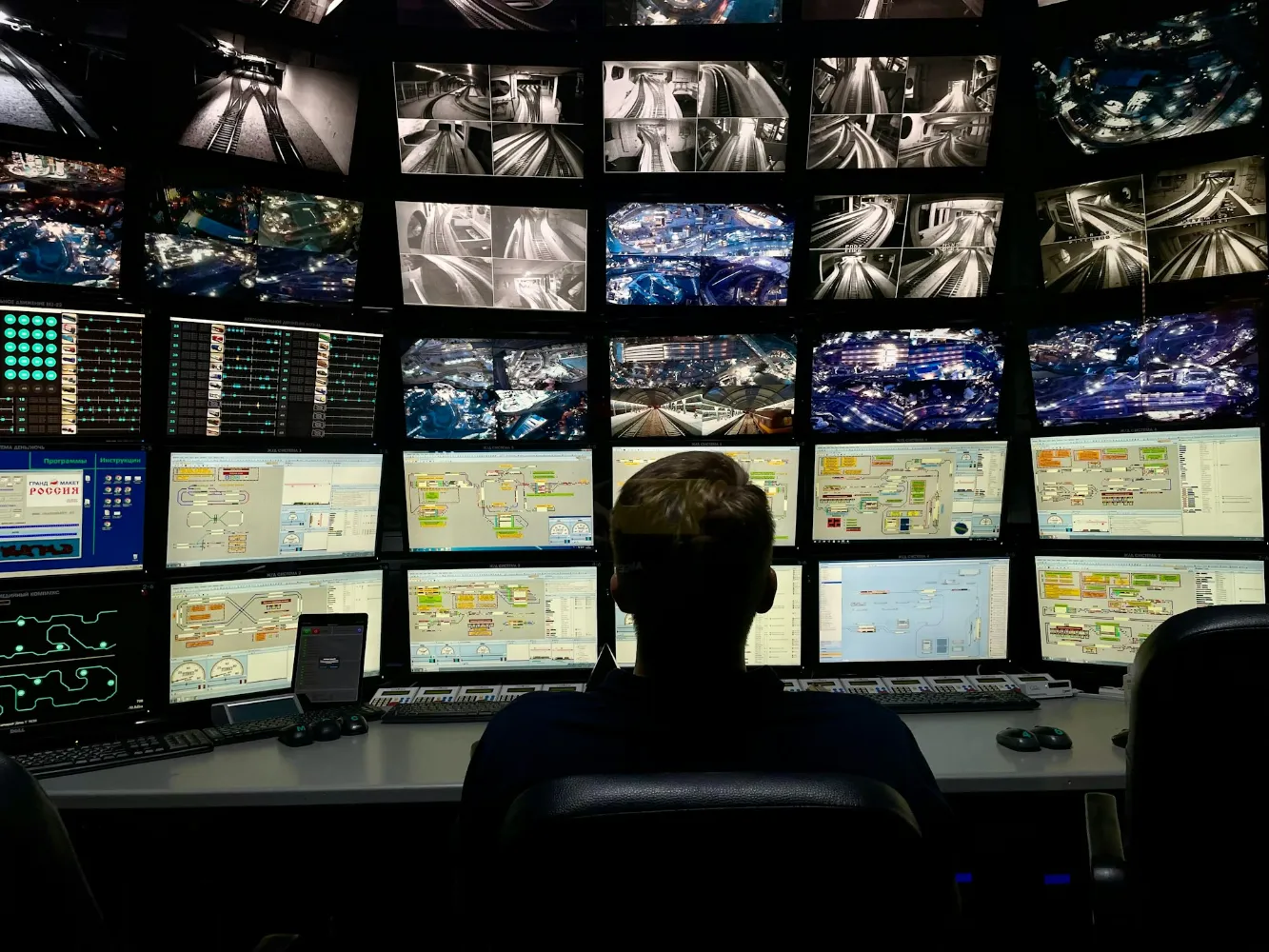
Valideren van tools voor veiligheidskritische operaties
Testen van nieuwe operationele tools met ervaren operators om bruikbaarheid, veiligheid en operationele geschiktheid te valideren vóór implementatie.
Valideren van tools voor veiligheidskritische operaties
Testen van nieuwe operationele tools met ervaren operators om bruikbaarheid, veiligheid en operationele geschiktheid te valideren vóór implementatie.
Challenge
Operationeel verkeersmanagement was afhankelijk van verouderde tools die niet langer voldeden aan de eisen van toenemende complexiteit en groeiend verkeersaanbod. Een nieuw systeem moest worden ontwikkeld en gevalideerd, maar de uitdaging lag in het waarborgen dat het nieuwe systeem niet alleen technisch functioneerde, maar ook daadwerkelijk aansloot bij de werkwijzen, mentale modellen en besluitvormingsprocessen van ervaren operators.
Impact
Het resultaat is een gevalideerd operationeel systeem dat breed gedragen wordt door de gebruikers. De gestructureerde validatie heeft geleid tot significante ontwerpaanpassingen die de bruikbaarheid en veiligheid hebben verbeterd, en heeft bijgedragen aan een soepele overgang naar het nieuwe systeem.
Approach
Wij hebben een uitgebreid validatieprogramma opgezet met ervaren verkeersleiders. Via simulaties, prototypetests en gestructureerde feedbacksessies is het nieuwe systeem iteratief getoetst en bijgesteld. Bijzondere aandacht ging uit naar de aansluiting bij bestaande werkwijzen, de cognitieve belasting bij complexe verkeerssituaties en de overgangsstrategie van het oude naar het nieuwe systeem.
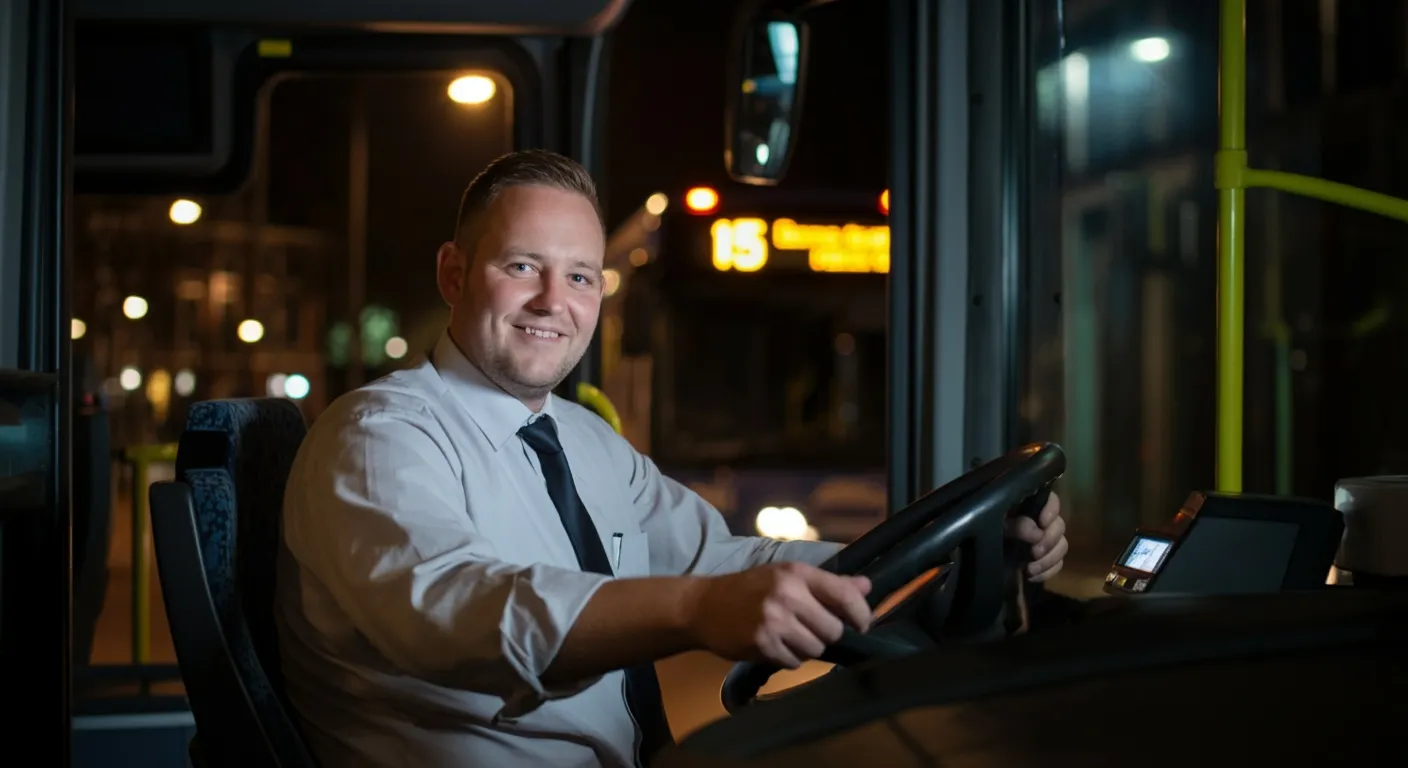
Ergonomie en ontwerp van bestuurderscabines
Beoordelen en ontwerpen van bestuurderscabines voor ergonomische, veilige en normconforme werkplekken voor voertuigbestuurders.
Ergonomie en ontwerp van bestuurderscabines
Beoordelen en ontwerpen van bestuurderscabines voor ergonomische, veilige en normconforme werkplekken voor voertuigbestuurders.
Challenge
Voertuigfabrikanten ontwerpen bestuurderscabines doorgaans voor een breed scala aan bestuurders en operationele omgevingen. Er gelden echter aanvullende eisen met betrekking tot de lokale infrastructuur, regelgeving en kenmerken van de bestuurder wanneer voertuigen nodig zijn voor een specifieke regio of een specifieke exploitant. In dergelijke gevallen is een onafhankelijke beoordeling nodig om te waarborgen dat het cabineontwerp voldoet aan ergonomische normen, veilige bediening ondersteunt en rekening houdt met de specifieke behoeften van de eindgebruikers.
Impact
Het resultaat is een bestuurderscabine die veilige en comfortabele bediening ondersteunt onder uiteenlopende operationele omstandigheden. Dit vermindert vermoeidheid en fouten bij de bestuurder, ondersteunt de naleving van ergonomische normen en verbetert de algehele operationele prestaties.
Approach
Wij evalueren bestaande cabineontwerpen door middel van ergonomische beoordelingen, conformiteitstoetsen en operationele evaluaties. Dit omvat aspecten zoals bereikbaarheid van bedieningselementen, zicht en zichtlijnen, binnenklimaat, zitcomfort en de indeling van informatiemiddelen. Bij het ontwerp van nieuwe cabines dragen wij ergonomische eisen aan en toetsen wij de ontwerpkeuzes samen met de fabrikant en exploitant.
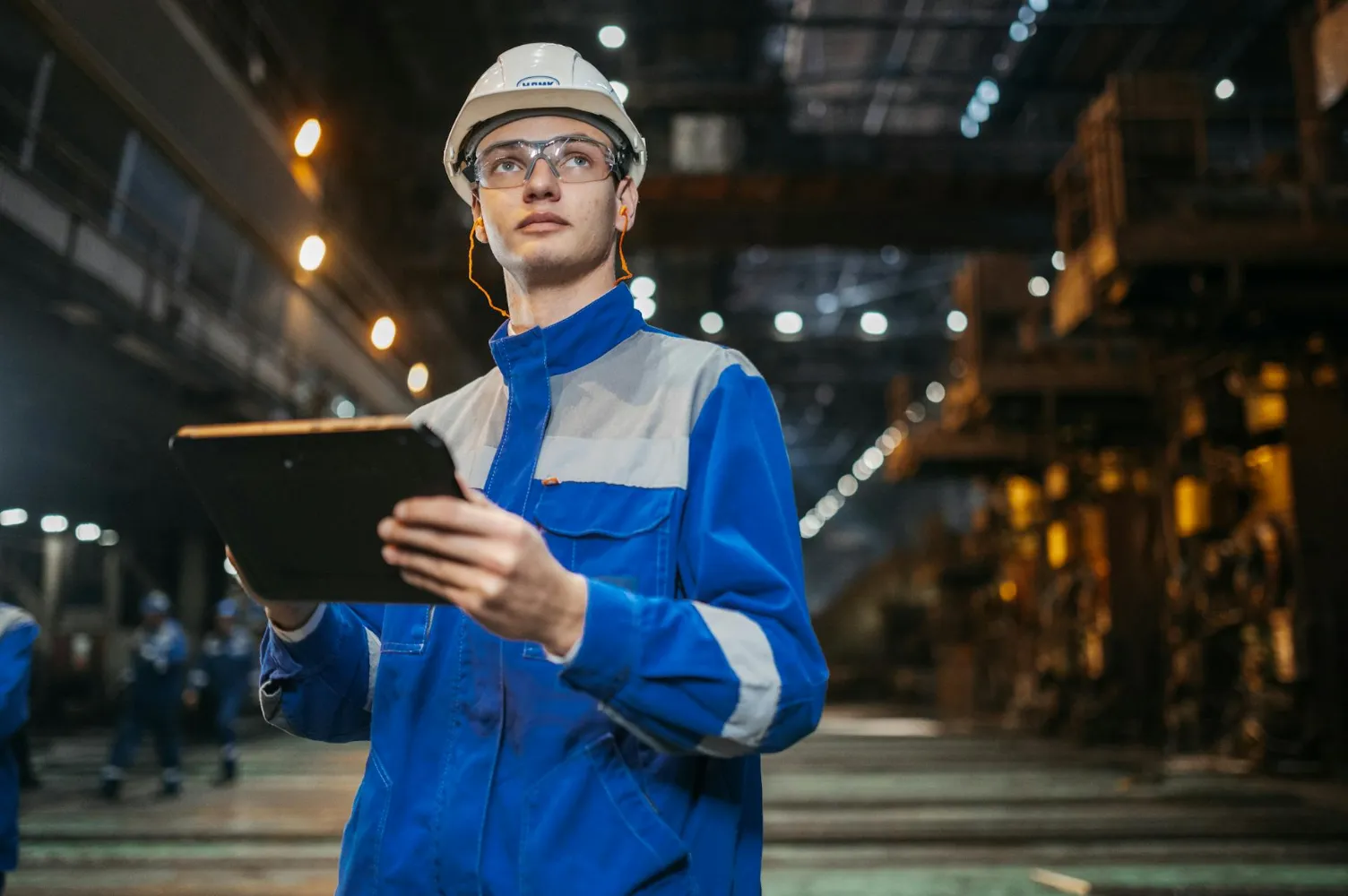
Digitaliseren van veiligheidscommunicatie
Het omvormen van analoge, bijvoorbeeld gesproken veiligheidscommunicatie naar een gedigitaliseerd veiligheidscommunicatiesysteem dat operators ondersteunt bij het volgen van veiligheidsprotocollen.
Digitaliseren van veiligheidscommunicatie
Het omvormen van analoge, bijvoorbeeld gesproken veiligheidscommunicatie naar een gedigitaliseerd veiligheidscommunicatiesysteem dat operators ondersteunt bij het volgen van veiligheidsprotocollen.
Challenge
Voor de afhandeling van afwijkingen/ storingen zijn medewerkers vaak afhankelijk van vastgelegde procedures en veelvuldig telefonisch contact. Dit leidt in de praktijk tot vergissingen of het overslaan van stappen, doordat procedures niet actueel of niet goed toegankelijk zijn. Tegelijkertijd beperkt telefonische communicatie de mogelijkheid om informatie gestructureerd vast te leggen, waardoor belangrijke context verloren kan gaan en herleidbaarheid ontbreekt. Het risico op fouten neemt toe naarmate de complexiteit van de situatie groeit.
Impact
In de railsector heeft een nieuw digitaal veiligheidscommunicatiesysteem tussen treindienstleiders en machinisten de oude telefonische werkwijze vervangen. Het digitale systeem biedt een gestructureerd, visueel ondersteund communicatieproces dat fouten vermindert, de naleving van veiligheidsprocedures verbetert en volledige traceerbaarheid van alle communicatie biedt.
Approach
Wij ondersteunen de ontwikkeling van digitale communicatieoplossingen vanuit een human factors-perspectief. Dit betekent dat we bestaande werkprocessen analyseren, de behoeften van operators in kaart brengen en interface-ontwerpen valideren met eindgebruikers. Daarbij houden we rekening met de cognitieve belasting van operators in stressvolle situaties en ontwerpen we systemen die foutbestendig zijn en aansluiten bij de werkelijke praktijk.
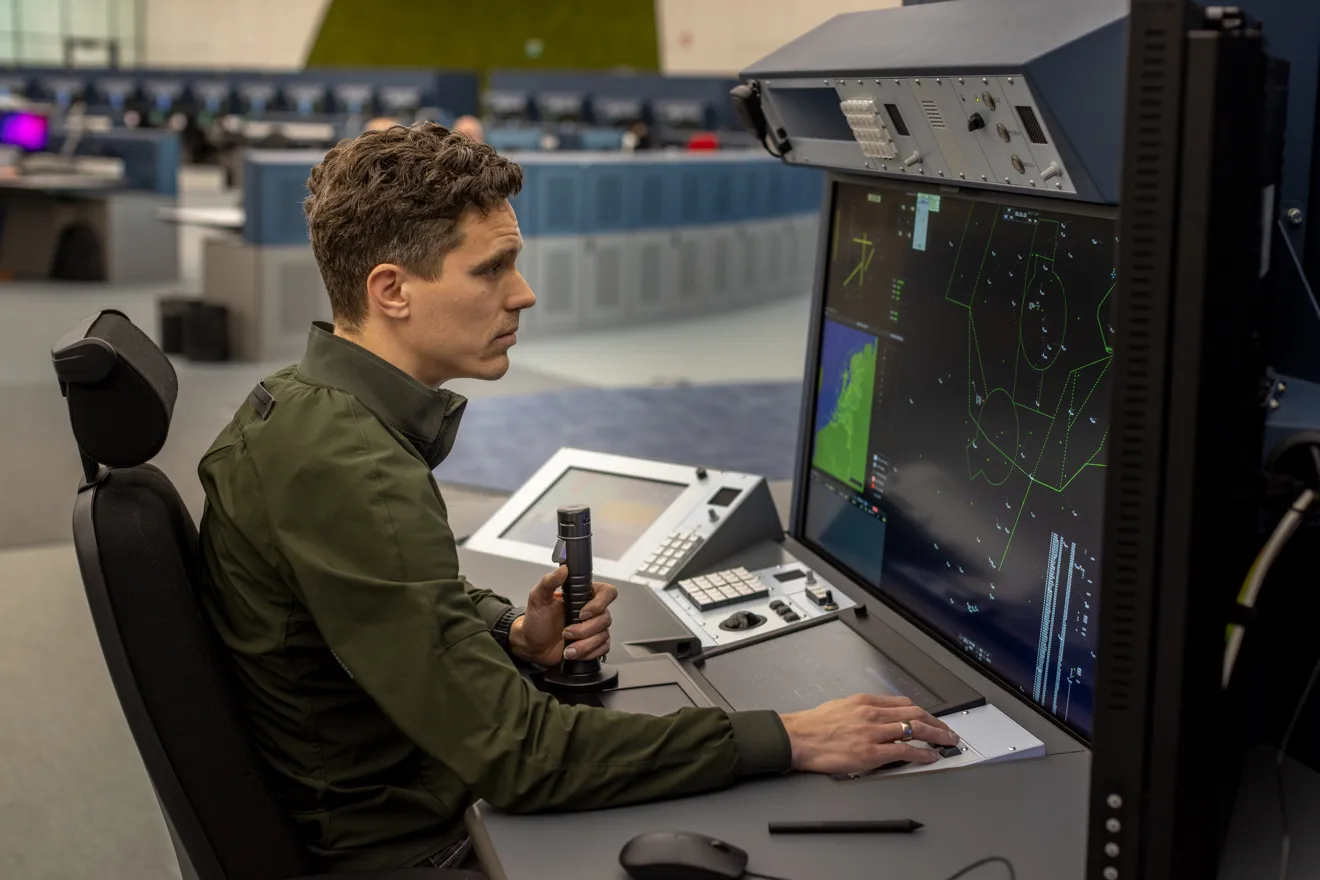
Veilige bediening op afstand
Ondersteuning bij de ontwikkelen en implementatie van technologieën die operators in staat stellen systemen op afstand te monitoren en te bedienen, zonder concessies te doen aan veiligheid of situationeel bewustzijn.
Veilige bediening op afstand
Ondersteuning bij de ontwikkelen en implementatie van technologieën die operators in staat stellen systemen op afstand te monitoren en te bedienen, zonder concessies te doen aan veiligheid of situationeel bewustzijn.
Challenge
Met de mogelijkheid om monitoring en detectie op afstand uit te voeren is het de vraag welke processen op afstand bediend kunnen worden en onder welke voorwaarden dit veilig en verantwoord kan. Het is daarbij noodzakelijk om de risico's van minder direct toezicht goed te begrijpen, onder andere het verlies van lokaal situationeel bewustzijn, afhankelijkheid van beeldschermen en de impact op de werkbelasting van operators.
Impact
Met het kader zijn technologieën beoordeeld als ongeschikt of juist als sterk potentieel voor bediening op afstand. Technologieën met een positieve beoordeling worden vervolgens gedetailleerd uitgewerkt, inclusief het ontwerp van de operator-interface, trainingsbehoeften en operationele procedures.
Approach
Wij hebben onder andere voor een infrastructuurbeheerder een evaluatiekader ontwikkeld waarmee objecten en locaties beoordeeld worden op hun geschiktheid voor bediening op afstand. Dit kader analyseert factoren zoals complexiteit van de bediening, beschikbare technologie voor monitoring, lokale omgevingsfactoren en de vereiste mate van situationeel bewustzijn. Op basis hiervan worden objecten geclassificeerd als meer of minder geschikt voor bediening op afstand.
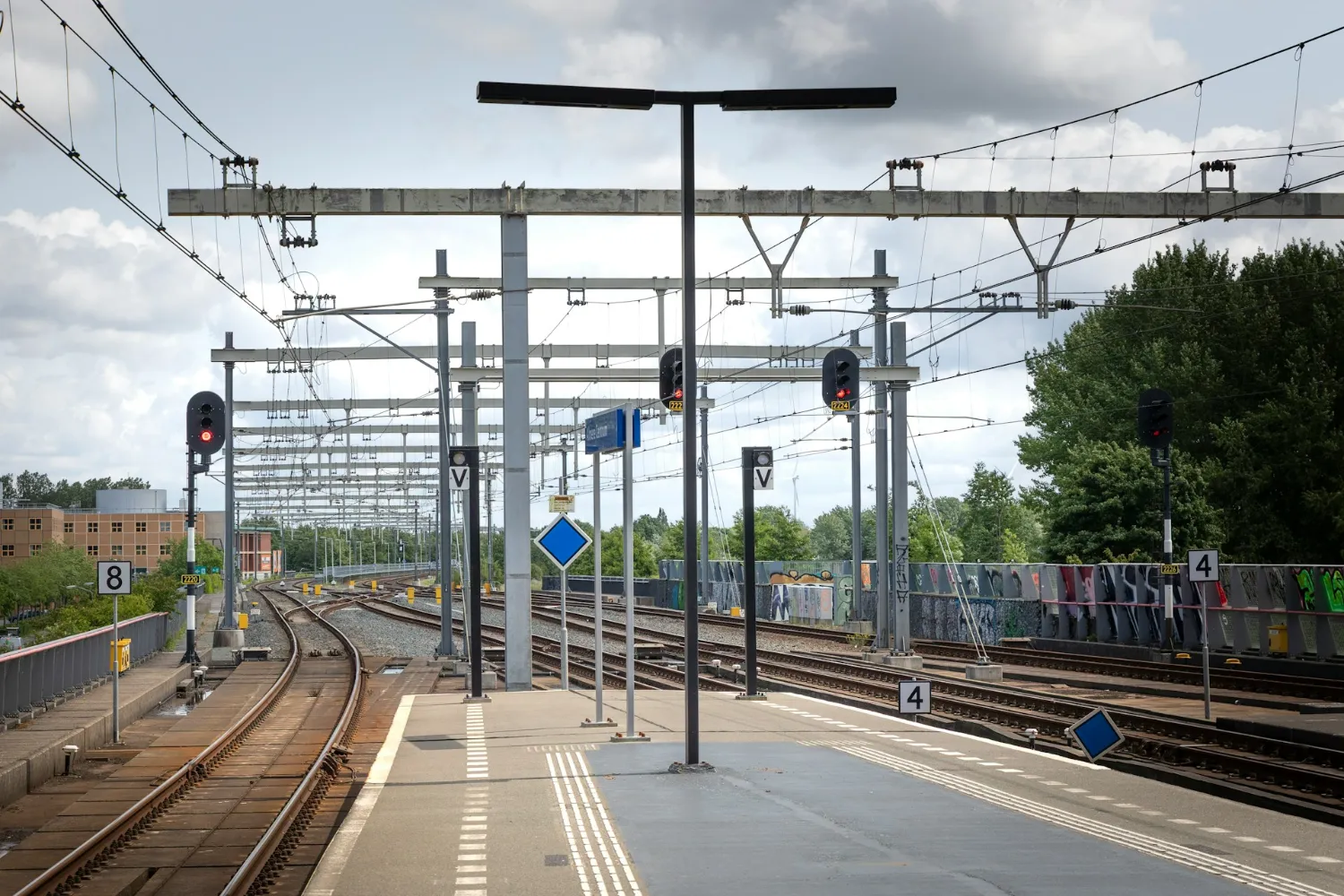
Valideren van zichtbaarheid van optische seinen
Testen of optische signalen en indicatoren duidelijk waarneembaar zijn voor operators onder realistische operationele omstandigheden.
Valideren van zichtbaarheid van optische seinen.
Testen of optische signalen en indicatoren duidelijk waarneembaar zijn voor operators onder realistische operationele omstandigheden.
Challenge
Er was een nieuw signaleringsconcept ontwikkeld op basis van kleurcoderingen. Er waren aannames gedaan over de waarneming van de kleuren en hun betekenis in de praktijk, maar deze waren niet gevalideerd met de eindgebruikers. Hoewel de engineering achter het signaleringsconcept sterk was, kon dit alleen effectief en veilig functioneren als operators de signalen betrouwbaar konden waarnemen en correct interpreteren onder uiteenlopende operationele omstandigheden.
Impact
De validatie bracht meerdere ontwerpaanpassingen aan het licht die nodig waren om de betrouwbaarheid van de waarneming te verbeteren. Deze aanpassingen zijn doorgevoerd vóór de operationele implementatie, waardoor kostbare en potentieel onveilige situaties na ingebruikname zijn voorkomen.
Approach
Wij hebben een validatieprogramma opgezet waarin operators in realistische scenario's werden geconfronteerd met het nieuwe signaleringsconcept. Via gestructureerde observaties, taakanalyses en interviews is onderzocht hoe operators de signalen waarnamen, interpreteerden en erop reageerden. Bijzondere aandacht ging uit naar factoren als afstand, omgevingslicht, kleurcontrasten en cognitieve belasting.
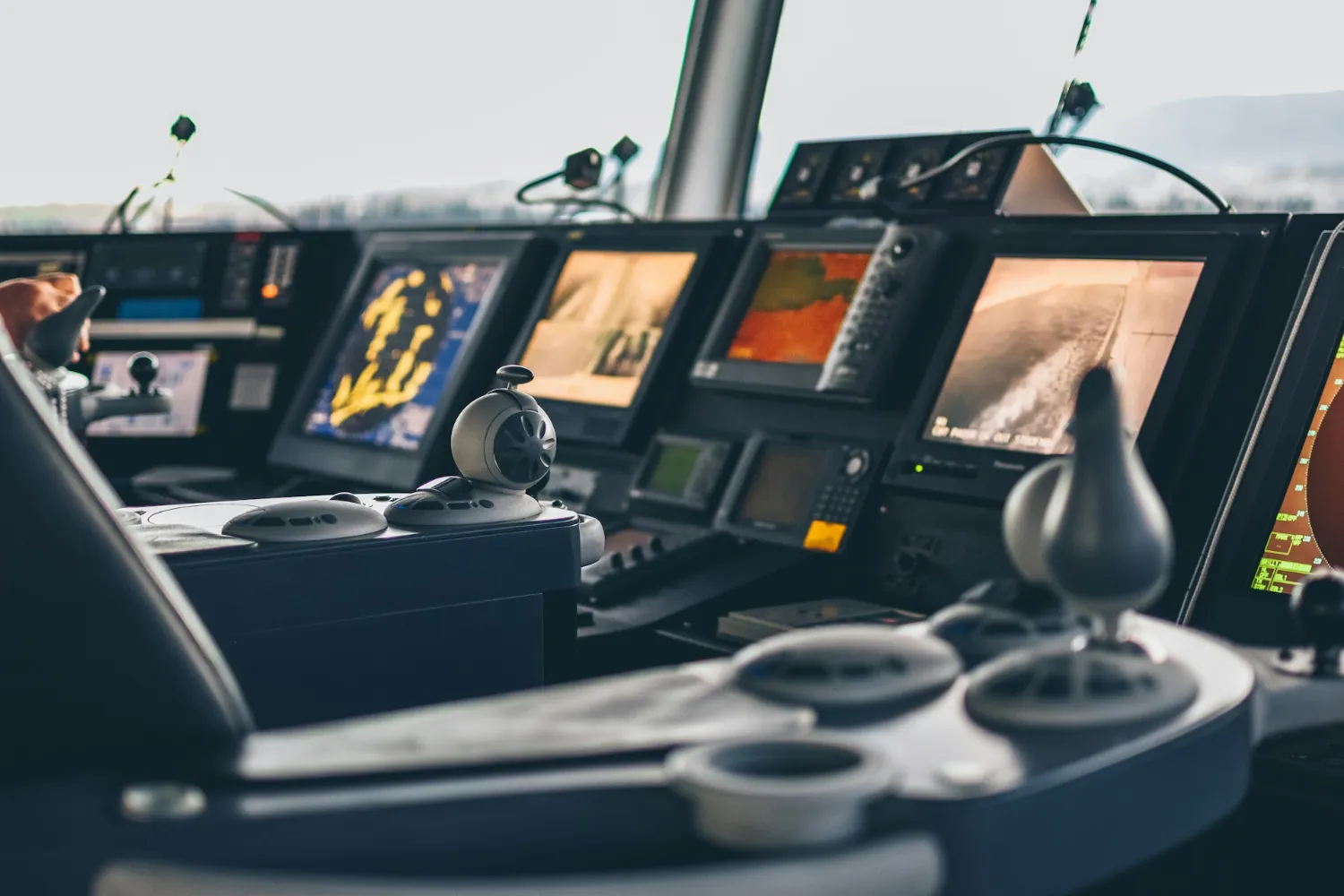
Ontwerp van consoles
Ontwerpen van operatorconsoles binnen en buiten zodat bedieningselementen, displays en apparatuur gemakkelijk en veilig te gebruiken zijn voor alle gebruikers.
Ontwerp van consoles
Ontwerpen van operatorconsoles binnen en buiten zodat bedieningselementen, displays en apparatuur gemakkelijk en veilig te gebruiken zijn voor alle gebruikers.
Challenge
Een organisatie zoekt een nieuwe standaardconsole die meerdere operationele rollen moet ondersteunen. Het ontwerp moet de taakuitvoering van verschillende rollen mogelijk maken en tegelijkertijd voldoen aan ergonomische normen, zodat operators comfortabel en effectief kunnen werken tijdens lange diensten.
Impact
De herontworpen console verbeterde de toegankelijkheid, het comfort en de bruikbaarheid voor een breed scala aan operationele taken in de dagelijkse situatie, bij verstoringen of opleiding. Dit verminderde de werkbelasting en ondersteunde efficiëntere werkomstandigheden voor operators én overige gebruikers zoals IT, procesautomatisering en schoonmaak tijdens onderhoud en installatie.
Approach
Op basis van proces- en taakkenmerken ontwerpen en evalueren we de prototypeconsole samen met operators met behulp van virtuele en/of fysieke mock-ups en bruikbaarheidssessies. Door observatie en gebruikersfeedback identificeren wij verbeterpunten met betrekking tot zicht- en communicatielijnen in de ruimte, waarneembaarheid van informatie en reikafstanden tot bedieningselementen voor de dagelijkse praktijk en bij de afhandeling van verstoringen. We houden rekening met mogelijke toekomstontwikkelingen zodat een console en de bijbehorende middelen altijd toekomstbestendig zijn.
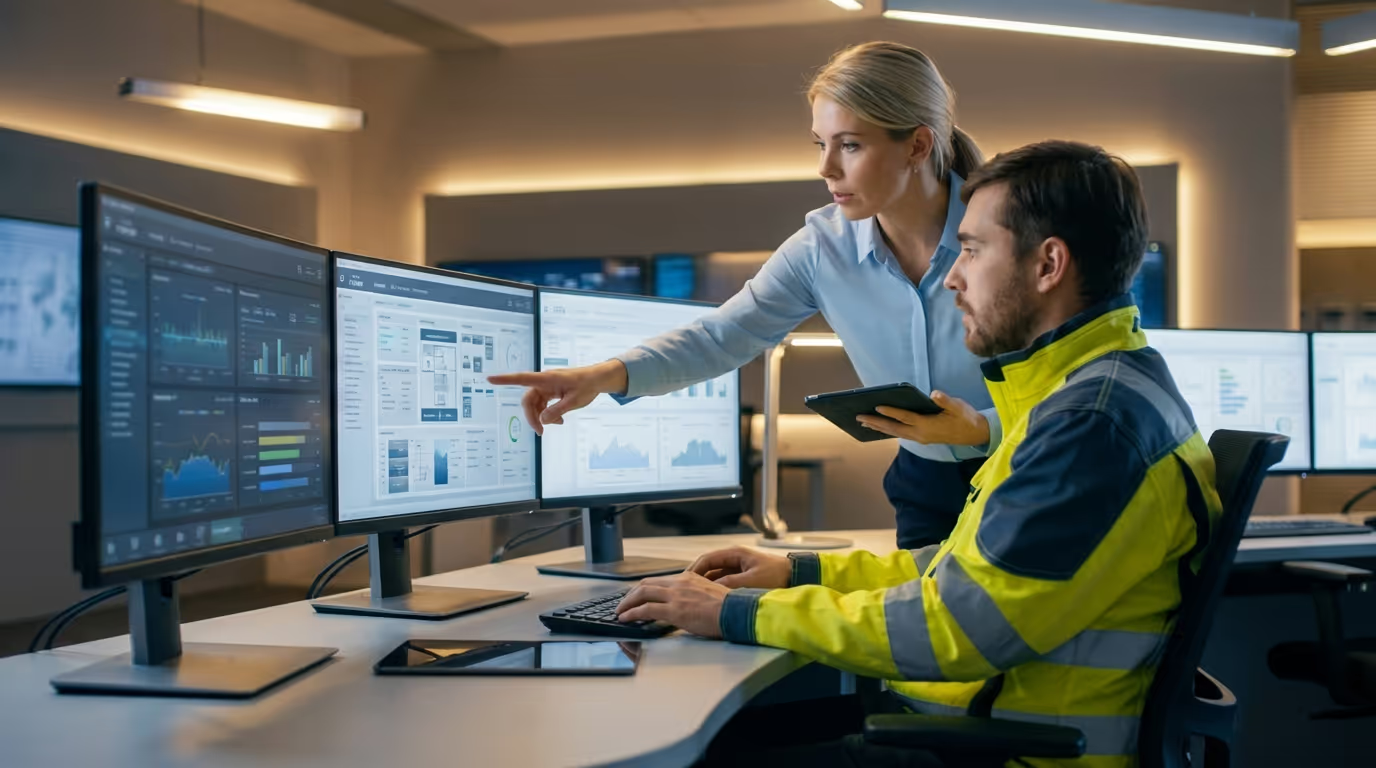
Ontwerpen van een mens-machine-interface (MMI) voor veiligheidskritieke systemen
Ontwerpen van interfaces die complexe informatie helder presenteren en veilige en betrouwbare besluitvorming ondersteunen, als elke seconde telt.
Ontwerpen van een mens-machine-interface (MMI) voor veiligheidskritieke systemen
Ontwerpen van interfaces die complexe informatie helder presenteren en veilige en betrouwbare besluitvorming ondersteunen, als elke seconde telt.
Challenge
Veiligheidskritieke systemen vereisen een interface die operators optimaal ondersteunen bij het betrouwbaar en efficiënt uitvoeren van complexe taken. Het systeem moet kritieke informatie compact en helder presenteren en tegelijkertijd het risico op fouten of verkeerde interpretatie minimaliseren en inleertijd beperken.
Impact
De resulterende interface verbetert de bruikbaarheid en het situatiebewustzijn van operators. Bij bijvoorbeeld proces graphics in SCADA weten we het overzicht, de complexiteit en de gelaagdheid zo te optimaliseren met een intuïitieve interactie dat het ontwerp bijdraagt aan veilige en efficiënte bedrijfsvoering.
Approach
Wij passen een mensgerichte ontwerpmethodiek toe waarbij alle soorten eindgebruikers gedurende alle ontwikkelfasen betrokken zijn. We ontwikkelen interface- en alarmconcepten iteratief en evalueren ontwerpen door middel van mock-ups, simulaties, pilotstudies en directe gebruikersfeedback.
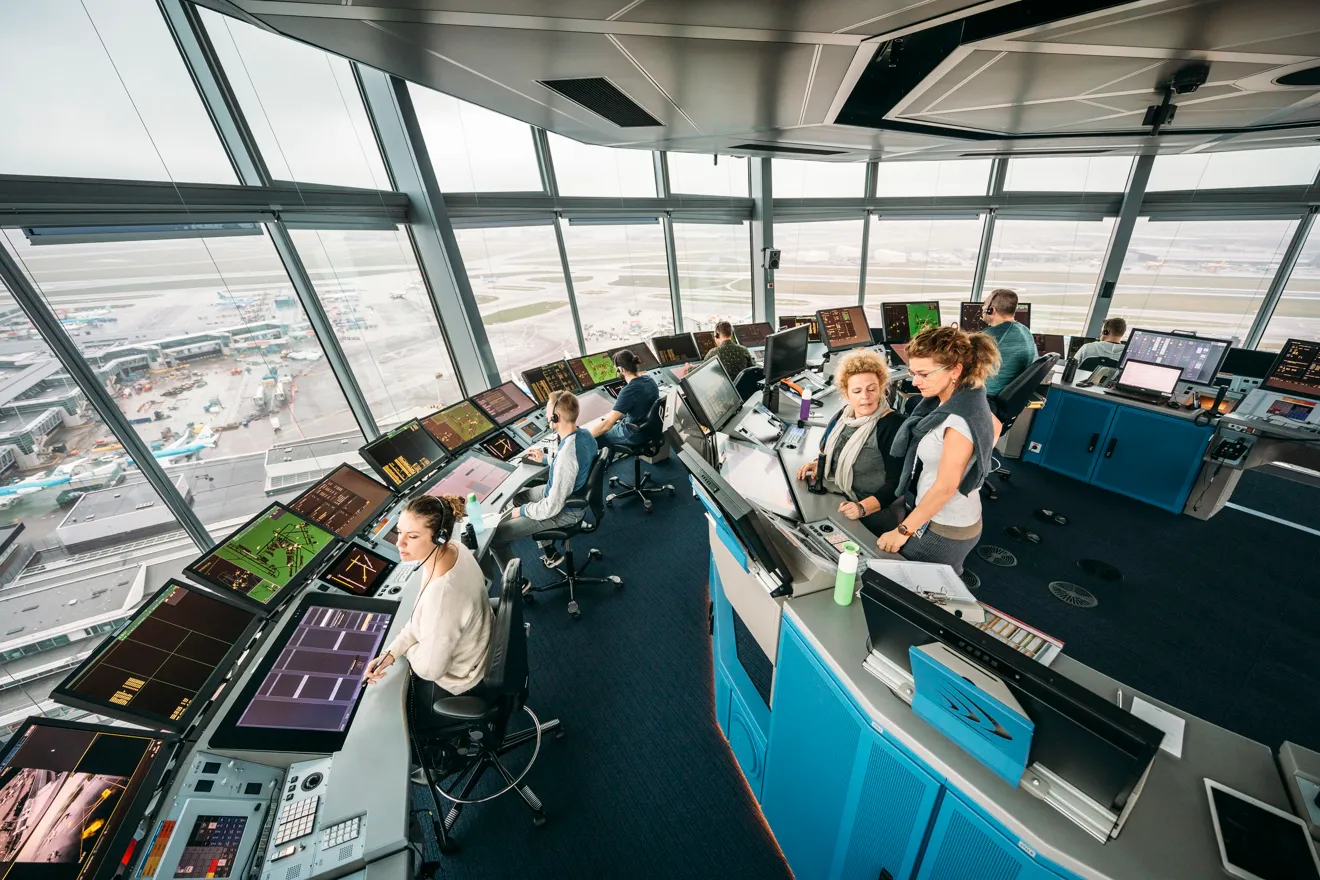
Ontwerpen van ergonomische werkomgevingen voor verkeersleiding
Ontwerpen van werkomgevingen voor verkeersleiding zoals in verkeerstorens die het zicht, de samenwerking en comfortabel langdurig werken ondersteunen.
Ontwerpen van ergonomische werkomgevingen voor verkeersleiding
Ontwerpen van werkomgevingen voor verkeersleiding zoals in verkeerstorens die het zicht, de samenwerking en comfortabel langdurig werken ondersteunen.
Challenge
Complexe werkplekken wijzigen soms door veranderingen in het werkingsgebied of door een werkorganisatie met met minder operators per dienst. Ook dan moet de werkplek nog steeds veilige en efficiënte operaties ondersteunen.
Impact
De nieuw ontworpen omgeving ondersteunt efficiënte samenwerking en verbeterd operatorcomfort. Hierdoor kunnen operators hoge prestaties en situatiebewustzijn behouden, ook met een gereduceerde bezetting.
Approach
Wij voeren ergonomische analyses uit van de impact van de ruimtelijke indeling, werkplekken en fysieke omgeving op de taakuitvoering. Factoren zoals schermleesbaarheid, akoestiek, daglicht en verlichting, zicht- en communicatielijnen en fysiek comfort onderzoeken we in samenwerking met operators om te komen tot een ontwerp. Dat ontwerp werken we smen met eindgebruikers uit via 3D-simulaties met VR en/of mock-ups en maken we gereed voor realisatie.
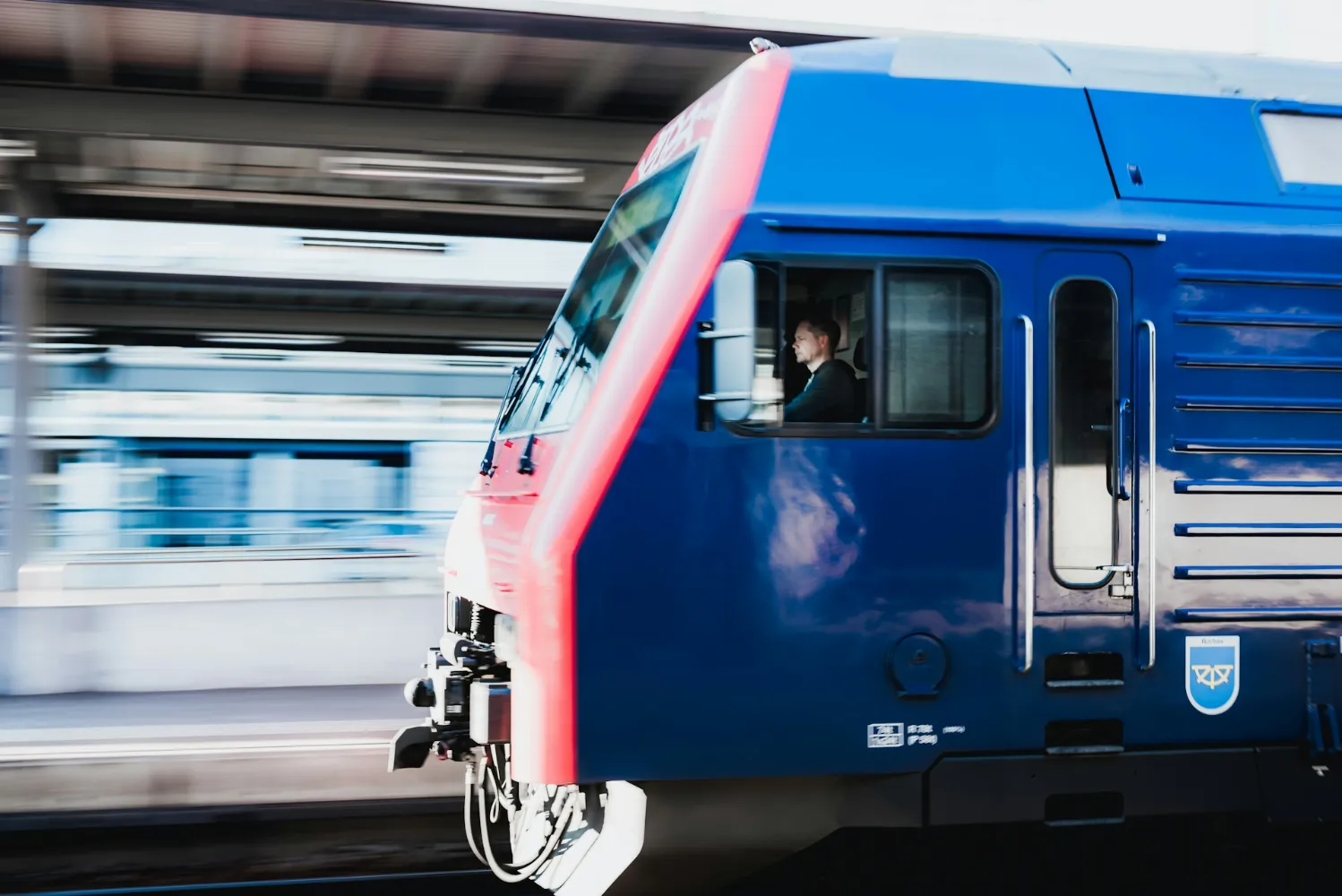
Beheersen van werkbelasting in voertuigen
Onderzoeken hoe boordsystemen, displays en waarschuwingen de aandacht en werkbelasting van de bestuurder beïnvloeden tijdens de reis, zoals een treinrit.
Beheersen van werkbelasting in voertuigen
Onderzoeken hoe boordsystemen, displays en waarschuwingen de aandacht en werkbelasting van de bestuurder beïnvloeden tijdens de reis, zoals een treinrit.
Challenge
Cabines bevatten steeds meer apparaten en digitale applicaties die monitoring- en communicatietaken ondersteunen. Hoewel deze technologieën nuttige informatie bieden, kunnen ze ook de cognitieve werkbelasting verhogen en afleiden van de primaire rijtaken. Het begrijpen en beheersen van deze interactie is essentieel voor veilige operaties. Dit speelt nog meer wanneer vormen van automatisering van taakuitvoering worden toegepast
Impact
De methode levert waardevolle inzichten op over welke apparatuur veilig geïntegreerd kan worden en welke onnodige afleiding veroorzaakt. De methode ondersteunt organisaties bij het nemen van onderbouwde beslissingen over de introductie van nieuwe technologieën in voertuigen.
Approach
Wij hebben een beoordelingsmethode ontwikkeld die wetenschappelijke modellen van werkbelasting en afleiding integreert. De methode evalueert hoe individuele middelen de cognitieve belasting, aandacht en taakprestaties beïnvloeden. De methode is toegepast in zowel bestaande als nieuw ontworpen cabines en geschikt voor alle vormen van transport.
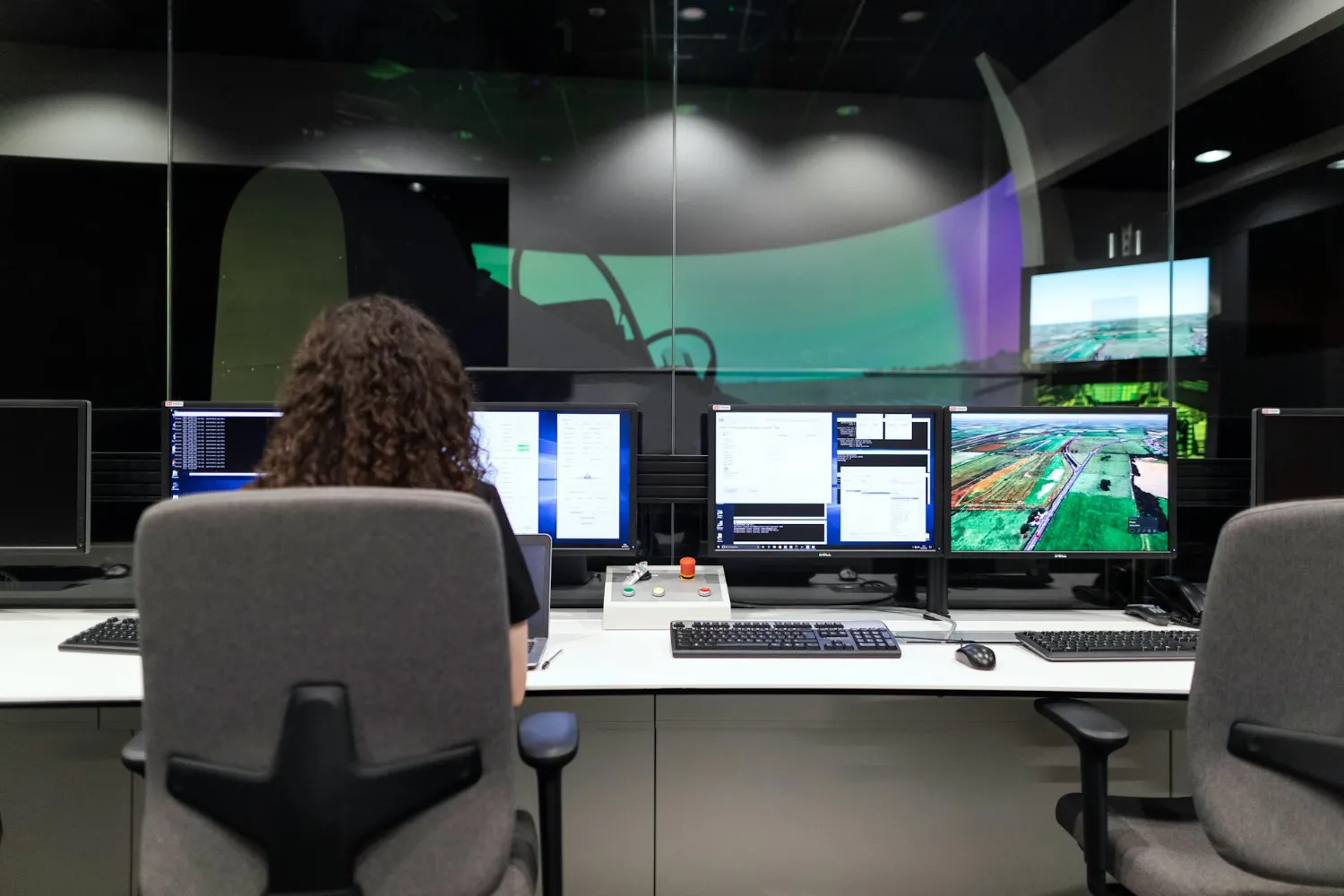
Ontwerpen van controlekamers
Ontwerpen van controlekamerindelingen die concentratie, optimale taakuitvoering, duidelijke communicatie en effectieve besluitvorming ondersteunen.
Ontwerpen van controlekamers
Ontwerpen van controlekamerindelingen die concentratie, optimale taakuitvoering, duidelijke communicatie en effectieve besluitvorming ondersteunen.
Challenge
Een nieuw veiligheidskritisch besturingssysteem werd geïntroduceerd in een nationaal operationeel netwerk. Vóór volledige uitrol wilde de organisatie begrijpen hoe het systeem de prestaties en het welzijn zou beïnvloeden van de operators die het dagelijks zouden gebruiken.
Impact
Het onderzoek bracht belangrijke risicogebieden aan het licht, waaronder momenten waarop de werkbelasting toenam of waarop systeemgedrag tot verwarring kon leiden. Deze inzichten vormden de basis voor verbeteringen in systeemontwerp en training, ter ondersteuning van veilige en efficiënte implementatie.
Approach
Wij hebben een uitgebreide human factors evaluatie uitgevoerd waarbij meerdere operationele rollen betrokken waren. Simulatorstudies, taakanalyses, observaties en vragenlijsten werden gebruikt om werkbelasting, aandacht, situatiebewustzijn en ergonomische factoren te analyseren.
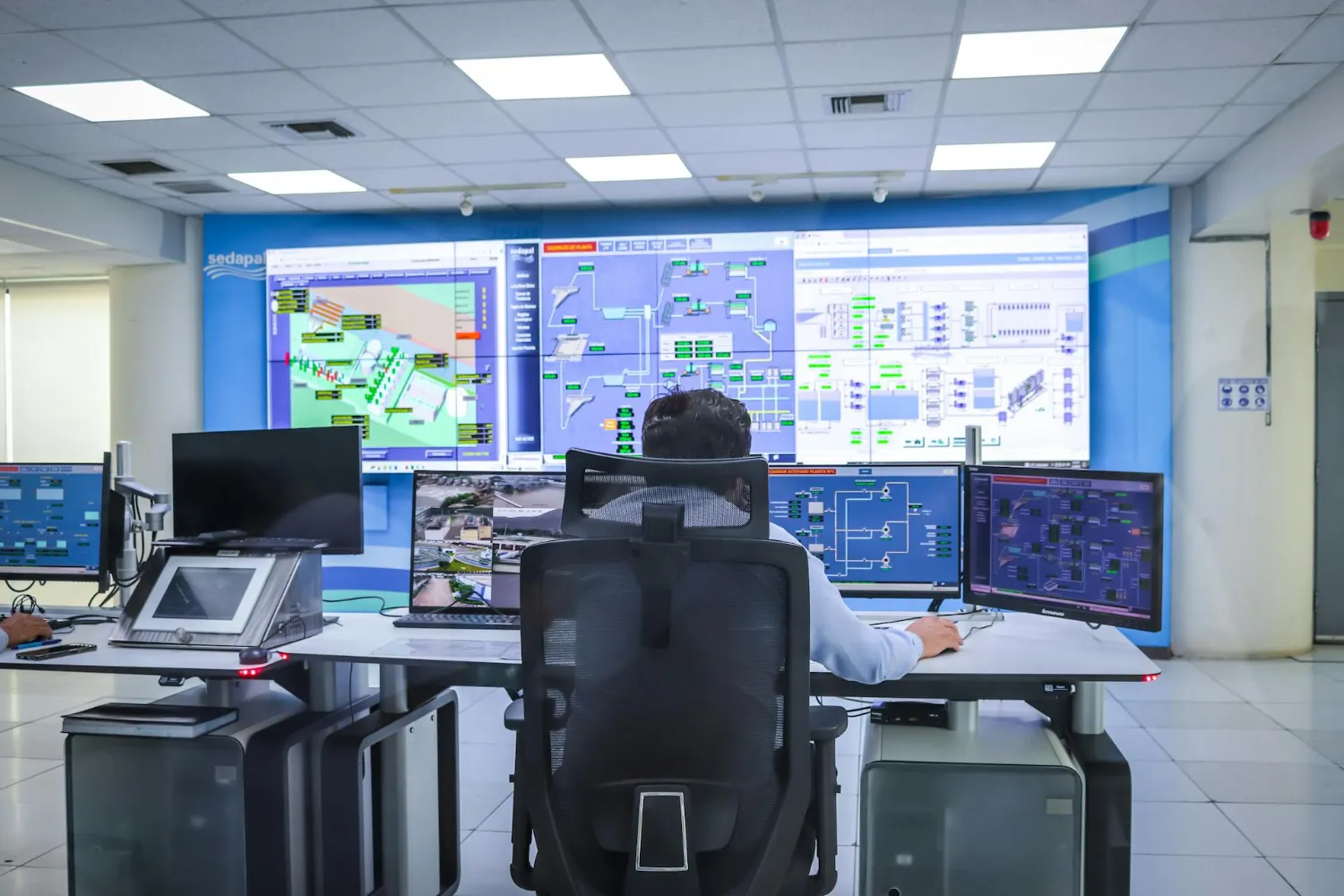
Ontwerpen van interfaces voor veiligheidskritieke systemen in controlekamers
Ontwerpen van operatorinterfaces voor besturings- en monitoringsystemen zodat mensen snel informatie kunnen begrijpen en de juiste acties kunnen ondernemen.
Ontwerpen van interfaces voor veiligheidskritieke systemen in controlekamers
Ontwerpen van operatorinterfaces voor besturings- en monitoringsystemen zodat mensen snel informatie kunnen begrijpen en de juiste acties kunnen ondernemen.
Challenge
Een industriële faciliteit introduceerde een nieuw productieproces dat een herontworpen controlekamer vereiste. De werkplek moest operators ondersteunen bij het monitoren van complexe systemen, effectieve communicatie en het reageren op abnormale situaties.
Impact
Het uiteindelijke controlekamerontwerp verbeterde zicht, communicatie en ergonomie. Dit stelde operators in staat het proces effectiever te beheren terwijl de werkbelasting en het operationeel risico werden verminderd.
Approach
Wij werkten nauw samen met operators en ontwerpers om operationele werkprocessen en gebruikersbehoeften te begrijpen. Door middel van workshops en ontwerpsessies vertaalden wij deze inzichten naar ontwerpprincipes voor indeling, displayconfiguratie en alarmbeheer.
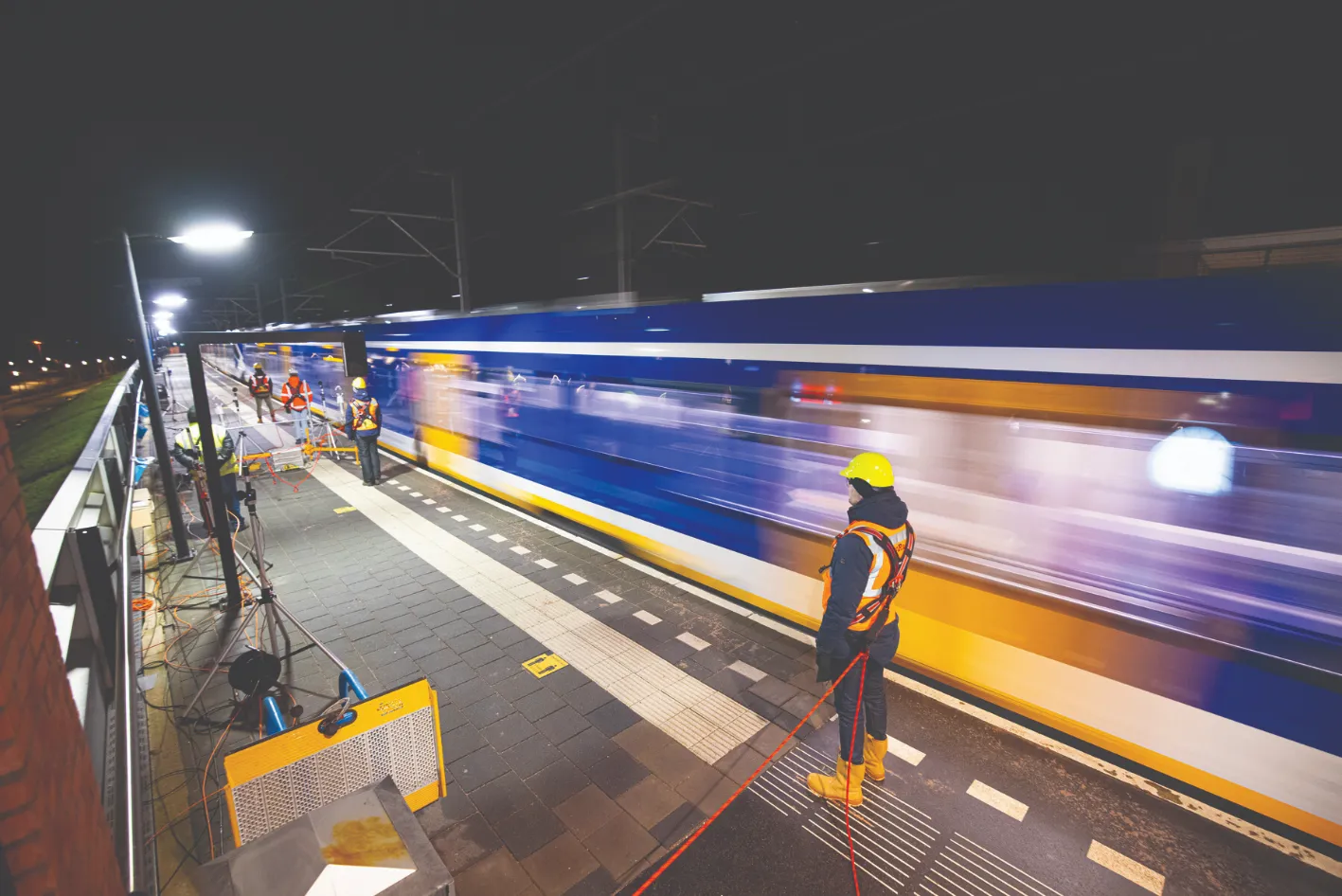
Beoordelen van passagiersveiligheid op perrons bij passage van hogesnelheidstreinen
Onderzoeken hoe luchtstroom, geluid en de ervaren veiligheid de passagiers beïnvloeden wanneer treinen met hoge snelheid perrons passeren.
Beoordelen van passagiersveiligheid op perrons bij passage van hogesnelheidstreinen
Onderzoeken hoe luchtstroom, geluid en de ervaren veiligheid de passagiers beïnvloeden wanneer treinen met hoge snelheid perrons passeren.
Challenge
Een infrastructuurbeheerder overwoog om de toegestane maximum snelheid van treinen te verhogen die passagiersgebieden passeren. Voordat deze wijziging kon worden doorgevoerd, was het noodzakelijk te begrijpen hoe de hogere snelheden de fysieke veiligheid, het comfort en de beveling van mensen op perrons zouden beïnvloeden.
Impact
Het onderzoek leverde bewijs dat de verhoging van de passeersnelheid veilig mogelijk was. Tegelijkertijd hebben we ook een gestructureerde methodologie ontwikkeld voor het beoordelen van passagiersveiligheid en -comfort in vergelijkbare hogesnelheidsomgevingen.
Approach
Wij hebben een veldstudie ontworpen en uitgevoerd. De omgevingsomstandigheden zoals luchtstroom en geluidsniveaus zijn gemeten tijdens hogesnelheidspassages, terwijl deelnemers hun ervaringen deelden via gestructureerde observaties en vragenlijsten en hun stabiliteit is onderzocht.
De menselijke kant van technologie is vaak het moeilijkste deel
Nieuwe tools, systemen en automatisering veranderen geheel de manier waarop mensen werken. Wij helpen organisaties deze verschuiving te beheersen, zodat technologie veilige, efficiënte operaties ondersteunt in plaats van nieuwe risico’s te creëren.
ISO-gecertificeerd