Explore whether our approach fits your context
If this way of working aligns with the challenges you face, we can explore whether Intergo’s role would add value in your context.


Organisatorische verandering met een menselijke maat
Wat wij doen
Intergo helpt organisaties bij het vormgeven en begeleiden van organisatorische verandering in complexe operationele omgevingen. Veranderingen in structuur, rollen, processen, procedures of governance hebben direct invloed op hoe mensen werken, samenwerken en risico’s in de dagelijkse operatie beheersen.
Wij maken die impact inzichtelijk en helpen organisaties om verandering zorgvuldig in te richten. Dat doen we met advies én ontwerp: van strategische keuzes en governance tot concrete rollen, werkprocessen, overlegstructuren en procedures.
Ons werk richt zich onder meer op organisatieontwerp, risicoanalyse, risicomanagement, veiligheidscultuur, crisismanagement en business continuity management. Daarmee helpen we organisaties voorkomen dat veranderingen onbedoeld nieuwe risico’s introduceren of bestaande veiligheidsbarrières verzwakken.
Verandering werkt alleen wanneer de nieuwe inrichting ook landt in de praktijk. Daarom besteden we aandacht aan veranderkundige aspecten zoals duidelijke veranderdoelen, betrokkenheid van medewerkers, eigenaarschap, communicatie, besluitvorming en de borging van nieuwe werkwijzen.
Zo draagt organisatorische verandering bij aan betere prestaties én aan een veilige, gezonde en werkbare bedrijfsvoering.
Onze diensten

Operationele prestaties
Begrijpen hoe organisatiestructuren, bemensing en operationele processen de prestaties beïnvloeden in veiligheidskritische omgevingen.

Organisatieontwerp voor veilige operaties
Ontwerpen van organisatiestructuren, regels en operationele opstellingen die veilige en efficiënte operaties mogelijk maken.

Risico & veerkracht
Organisaties ondersteunen bij het identificeren, analyseren en beheersen van veiligheidsrisico’s en operationele verstoringen.
Veiligheidsleiderschap & cultuur
Versterken van veiligheidsleiderschap, governance en lerend vermogen van de organisatie om de veiligheidsprestaties continu te verbeteren.
In de praktijk: hoe wij organisaties hebben geholpen

Actualiseren van veiligheidsregels voor kritieke infrastructuur
Herontwerpen van operationele veiligheidsregels en governance ter ondersteuning van veilige en efficiënte rangeerterreinoperaties.
Actualiseren van veiligheidsregels voor kritieke infrastructuur
Herontwerpen van operationele veiligheidsregels en governance ter ondersteuning van veilige en efficiënte rangeerterreinoperaties.
Challenge
Na ingrijpende infrastructuurwijzigingen en bijgewerkte vergunningen van kritieke infratstructuur moeten de veiligheidsregels voor operaties en verkeer op het terrein meestal volledig worden herzien. De nieuwe regelgeving moet dan een breed scala aan activiteiten bestrijken en veilige toegang en circulatie voor alle gebruikers waarborgen.
Impact
De nieuwe regels en governance-afspraken zijn succesvol geïntegreerd in de operaties van het rangeerterrein. We hebben een aanvullende e-learningmodule en zakkaartje ontwikkeld voor het personeel, waardoor effectieve adoptie en begrip van de nieuwe regels zijn gewaarborgd.
Approach
Wij hebben een uitgebreide set bijgewerkte veiligheidsregels ontwikkeld voor een groot rangeerterrein, van toegang tot het terrein tot noodevacuatieprocedures. Dit proces omvatte het interviewen van belanghebbenden, het observeren van huidige praktijken en samenwerking met regelgevende en operationele teams.
Verbeteren van veiligheidsmanagementsystemen
Versterken van veiligheidsmanagementsystemen zodat organisaties risico's effectief kunnen beheersen, prestaties kunnen monitoren en veiligheid continu kunnen verbeteren.
Verbeteren van veiligheidsmanagementsystemen
Versterken van veiligheidsmanagementsystemen zodat organisaties risico's effectief kunnen beheersen, prestaties kunnen monitoren en veiligheid continu kunnen verbeteren.
Challenge
Veel organisaties hanteren formele veiligheidsmanagementsystemen, maar in de praktijk bieden deze systemen niet altijd de duidelijkheid en sturing die nodig zijn om veiligheid effectief te beheersen. Verantwoordelijkheden kunnen onduidelijk zijn, prestatie-indicatoren weerspiegelen niet altijd de werkelijke veiligheidssituatie, en de koppeling tussen veiligheidsbeleid en dagelijkse operaties is soms beperkt.
Impact
Het verbeterde veiligheidsmanagementsysteem biedt duidelijkere governance, beter inzicht in veiligheidsprestaties en sterkere afstemming tussen beleid en operationele praktijk. Dit stelt organisaties in staat veiligheid proactiever en effectiever te beheersen.
Approach
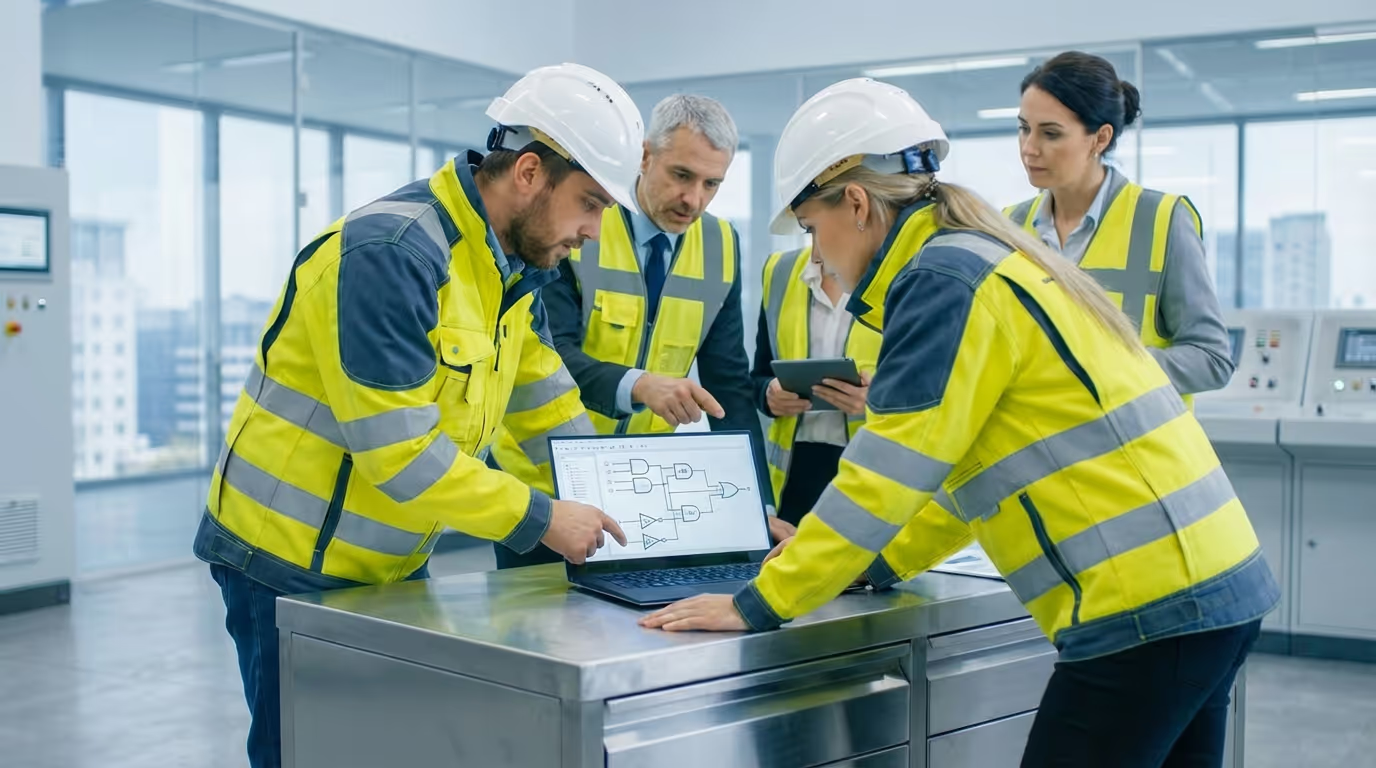
Wij ondersteunen organisaties bij het beoordelen en verbeteren van hun veiligheidsmanagementsystemen (VMS) vanuit zowel governance- als operationeel perspectief. Dit omvat het beoordelen van de structuur en effectiviteit van het VMS, het evalueren van rollen en verantwoordelijkheden en het beoordelen van hoe veiligheidsgegevens worden verzameld, geanalyseerd en gebruikt voor besluitvorming.

Optimaliseren van werkbelasting in veiligheidskritieke operaties
Optimaliseren van mentale en fysieke werkbelasting om te waarborgen dat personeel in veiligheidskritieke omgevingen hun taken veilig, effectief en duurzaam kan uitvoeren.
Optimaliseren van werkbelasting in veiligheidskritieke operaties
Optimaliseren van mentale en fysieke werkbelasting om te waarborgen dat personeel in veiligheidskritieke omgevingen hun taken veilig, effectief en duurzaam kan uitvoeren.
Challenge
Organisaties die veiligheidskritieke systemen exploiteren zijn afhankelijk van personeel dat langdurig een hoog niveau van aandacht en prestaties moet handhaven. Wanneer de werkbelasting te hoog wordt — of ongelijk is verdeeld — kan dit leiden tot fouten, verminderd situatiebewustzijn, inefficiency of gezondheidsgerelateerde problemen.
Impact
Onze studies bieden organisaties concrete inzichten in hoe de operationele werkbelasting zich in de praktijk ontwikkelt. De resultaten ondersteunen beslissingen over personeelsbezetting, taakverdeling, systeemontwerp en operationele planning op transparante wijze.
Approach
Wij voeren werkbelastingsstudies uit in diverse operationele omgevingen, waaronder de spoorsector, infrastructuurmonitoringcentra, procesindustrie en maritiem transport. Met een combinatie van observaties, taakanalyses, fysiologische metingen en interviews bouwen wij een gedetailleerd beeld op van hoe werkbelasting zich ontwikkelt over diensten en taken om tot herontwerp te komen van processen, taakuitvoering met automatisering, takenpakketten en/ of werk- en rusttijden. Dat doen we voor bestaande situaties, maar ook voor toekomstige scenario's.
Ontwikkelen van brancherichtlijnen voor uniforme risicoanalyses met Bow Tie
Opstellen van praktische richtlijnen voor consistent en effectief gebruik van Bow Tie-analyse voor projecten.
Ontwikkelen van brancherichtlijnen voor uniforme risicoanalyses met Bow Tie
Opstellen van praktische richtlijnen voor consistent en effectief gebruik van Bow Tie-analyse voor projecten.
Challenge
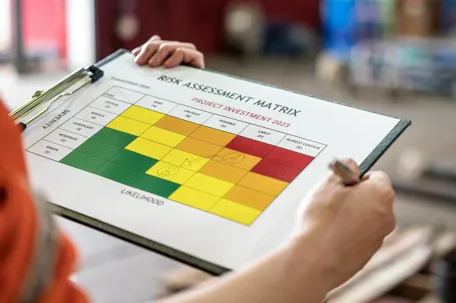
In sectoren waar Bow Tie een standaard is voor risico-analyse is een uniforme aanpak nodig. Zonder een gestandaardiseerde methode zijn terminologie en structuur inconsistent, wat de risicocommunicatie en kwaliteit beïnvloedt.
Impact
Deze brancherichtlijnen leiden tot grotere consistentie tussen projecten en verbeterde communicatie tussen belanghebbenden. Het helpt lacunes in risicobeheersmaatregelen te identificeren en aan te pakken, waardoor de sector beter de risico's kan beheersen.
Approach
De richtlijnen definiëren het bereik en het eigenaarschap van elke bowtie-analyse, waardoor elk project een standaardstructuur volt. Kernelementen zoals de topgebeurtenis, bedreigingen, gevolgen en barrières zijn duidelijk gedefinieerd, samen met rollen en beoordelingsprocessen.

Toepassen van Bow Tie-methode voor optimaal veiligheidsrisicomanagement
Gebruiken van Bow Tie-methode om risico's te visualiseren en preventieve en mitigerende veiligheidsmaatregelen te versterken.
Toepassen van Bow Tie-methode voor optimaal veiligheidsrisicomanagement.
Gebruiken van Bow Tie-methode om risico's te visualiseren en preventieve en mitigerende veiligheidsmaatregelen te versterken.
Challenge
Organisaties kennen talrijke risico's, met name in veiligheidskritieke omgevingen waar ongevallen ernstige gevolgen kunnen hebben. De uitdaging ligt in het systematisch identificeren van deze risico's en het implementeren van effectieve maatregelen om ze te beheersen.
Impact
De bowtie-analyse biedt een duidelijk overzicht van de belangrijkste risico's en de barrières die zijn ingesteld om ze te beheersen. Dit helpt belanghebbenden aan een gedeeld begrip van de risicostructuur. Zo kunnen ze kansen identificeren voor het versterken van het veiligheidsmanagement.
Approach
BowTie-analyse biedt een duidelijke en gestructureerde aanpak om deze risico's te beheersen. Deze methode helpt organisaties visueel bedreigingen in kaart te brengen die tot incidenten kunnen leiden (de linkerzijde van de bowtie), de gevolgen van die incidenten (de rechterzijde) met daarbij de mogelijke barrières of beheersmaatregelen om ze te voorkomen of te beperken.

Beoordelen en verbeteren van veiligheidscultuur
Beoordelen van veiligheidscultuur om te begrijpen hoe veiligheid wordt ervaren en gepraktiseerd, en om kansen voor verdere verbetering te identificeren.
Beoordelen en verbeteren van veiligheidscultuur
Beoordelen van veiligheidscultuur om te begrijpen hoe veiligheid wordt ervaren en gepraktiseerd, en om kansen voor verdere verbetering te identificeren.
Challenge
Veiligheidscultuur speelt een belangrijke rol bij het voorkomen van incidenten en het ondersteunen van veilig gedrag. Organisaties vinden het vaak moeilijk om een duidelijk en objectief beeld te krijgen van hoe veiligheid op verschillende niveaus wordt ervaren. Het begrijpen waar de organisatie zelf staat is een noodzakelijke eerste stap naar betekenisvolle verbetering.
Impact
De beoordelingen bieden inzicht in de huidige veiligheidscultuur van de organisatie en benadrukken concrete kansen voor verbetering. De resultaten ondersteunen gerichte acties om het veiligheidsbewustzijn en -gedrag in de hele organisatie verder te versterken.
Approach
Wij voeren Safety Culture Ladder metingen uitg, gecombineerd met interactieve workshops met medewerkers en management. Door middel van enquêtes, interviews en begeleide discussies onderzoeken wij hoe veiligheid wordt waargenomen, gecommuniceerd en geïntegreerd in het dagelijks werk.

Verbeteren van hoe organisaties leren van incidenten
Evalueren en versterken van incidentonderzoeksprocessen om organisatorisch leren en veiligheidsverbetering te ondersteunen.
Verbeteren van hoe organisaties leren van incidenten
Evalueren en versterken van incidentonderzoeksprocessen om organisatorisch leren en veiligheidsverbetering te ondersteunen.
Challenge
Organisaties willen de manier verbeteren waarop zij leren van incidenten om toekomstige voorvallen te voorkomen. De uitdaging is dan het beoordelen en optimaliseren van de bestaande incidentonderzoeks- en leerprocessen over verschillende veiligheidsdomeinen waarin medewerkers zich veiligh voelen ('just culture').
Impact
Onze volwassenheidstoets brengt de noodzaak aan het licht van gestandaardiseerde incidentleerprocessen in alle domeinen om consistentie in onderzoeken en effectief leren te waarborgen. Het gebruik van gestructureerde methoden zoals bowtie-analyse helpt de relatie tussen incidenten en onderliggende risicofactoren te verduidelijken.
Approach
Wij hebben een volwassenheidsmodel ontwikkeld dat we gebruiken om de effectiviteit van incidentleren te beoordelen in acht belangrijke veiligheidsdomeinen, waaronder verkeersveiligheid, nautische veiligheid, tunnelveiligheid en arbeidsveiligheid.

Risicomanagement voor offshore windenergie-projecten
Toepassen van ISO 31000 en de Formal Safety Assessment -methode voor het beheersen van maritieme veiligheidsrisico's rond offshore windenergie-projecten.
Risicomanagement voor offshore windenergie-projecten
Toepassen van ISO 31000 en de Formal Safety Assessment -methode voor het beheersen van maritieme veiligheidsrisico's rond offshore windenergie-projecten.
Challenge
Naarmate offshore windparken zich snel uitbreiden in de Noordzee, neemt de complexiteit van het beheersen van maritieme veiligheidsrisico's toe. De integratie van windturbines met bestaande scheepvaartroutes en -operaties creëert nieuwe veiligheidsuitdagingen.
Impact
Het gebruik van ISO 31000 en FSA faciliteert een duidelijke, gestructureerde aanpak van risicomanagement die het mogelijk maakte om belangrijke veiligheidsproblemen te identificeren, zoals aanvaringsrisico's, de invloed van windturbines op radar- en communicatiesystemen, en het beheer van scheepvaartverkeer bij windparkinstallaties.
Approach
We gebruiken ISO 31000, de internationale norm voor risicomanagement, om de processen van risico-identificatie, -analyse, -evaluatie en -behandeling te begeleiden. Door een combinatie van BowTie-analyses en Formal Safety Assessment (FSA) beoordelen wij de risico's verbonden aan maritieme operaties in en rond het windpark.
BCM-onderzoek naar organisatorische factoren achter stroomstoring bij een kritieke infrastructuurlocatie
Analyseren van de organisatorische factoren achter een stroomstoring bij een kritieke infrastructuurlocatie, met focus op Business Continuity Management (BCM) en de rol daarvan bij het beperken van risico's.
BCM-onderzoek naar organisatorische factoren achter stroomstoring bij een kritieke infrastructuurlocatie
Analyseren van de organisatorische factoren achter een stroomstoring bij een kritieke infrastructuurlocatie, met focus op Business Continuity Management (BCM) en de rol daarvan bij het beperken van risico's.
Challenge
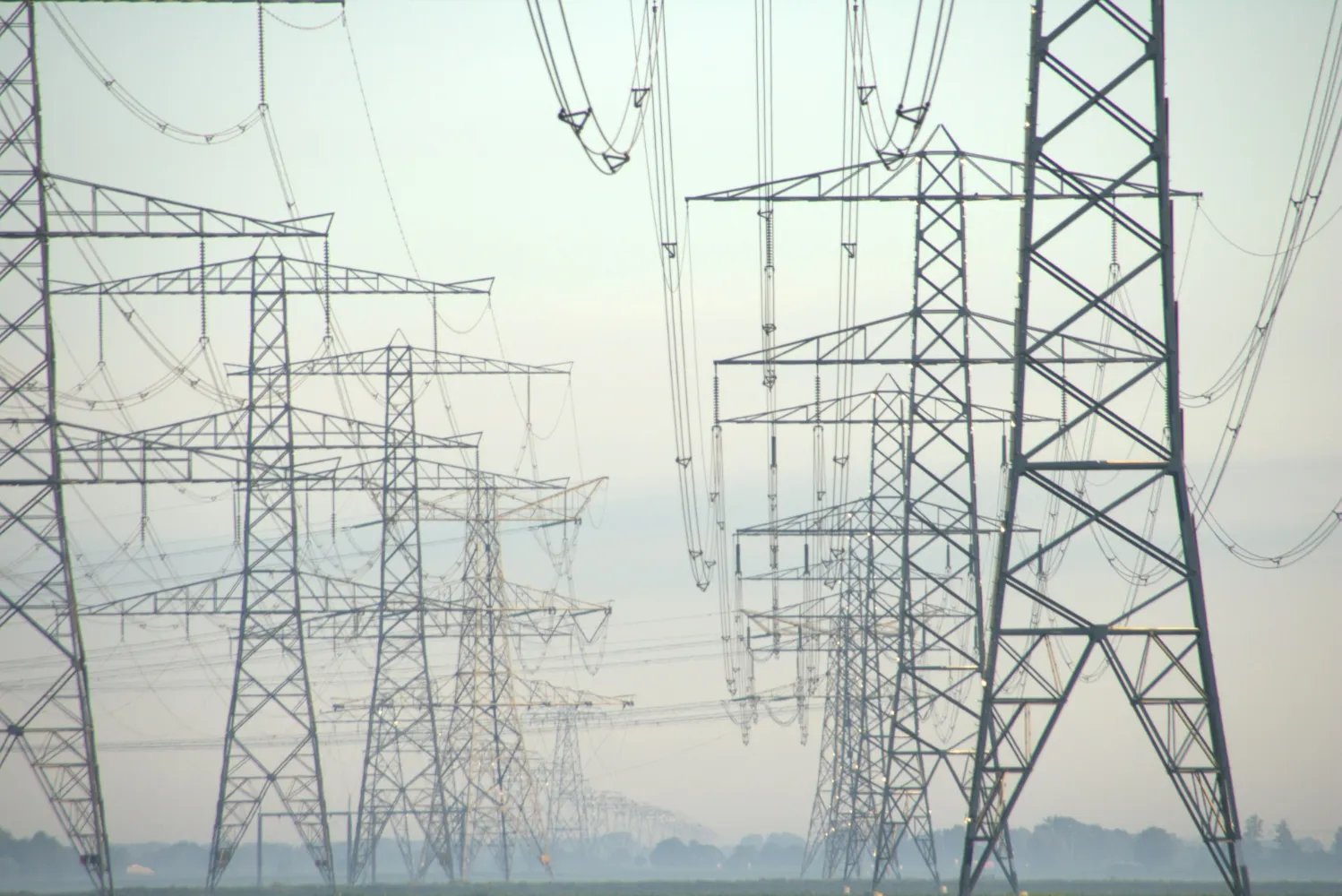
Een stroomstoring bij een belangrijke infrastructuurlocatie kan leiden tot aanzienlijke operationele verstoringen. Ondanks de aanwezigheid van noodstroomsystemen zijn kritieke processen niet altijd gedurende meerdere uren beschikbaar, zodat het volledig herstel nog langer duurt.
Impact
Het onderzoek onthulde kritieke BCM-tekortkomingen, met name op het gebied van stroomredundantie, crisiscommunicatie en het ontbreken van een uitgebreide Business Impact Analysis (BIA). Belangrijke bevindingen betroffen onvoldoende geteste noodprotocollen en gefragmenteerde besluitvorming tijdens het incident.
Approach
Voor een organisatie voerden we een BCM-onderzoek gestructureerd uit rond de belangrijkste BCM-principes, zoals beschreven in ISO 22301, om te identificeren waar lacunes in organisatorische paraatheid en continuïteitsplanning bijdroegen aan het incident. Wij voerden een oorzaakanalyse uit, hielden interviews met belanghebbenden en beoordeelden documentatie.

Verbeteren van bestuurdersprestaties door middel van big data
Gebruik van operationele gegevens om bestuurdersgedrag beter te begrijpen en training en prestatiemanagement te verbeteren.
Verbeteren van bestuurdersprestaties door middel van big data
Gebruik van operationele gegevens om bestuurdersgedrag beter te begrijpen en training en prestatiemanagement te verbeteren.
Challenge
Wij helpen vervoerders beter presteren.Een spoorwegmaatschappij kon door nieuw rollend materieel en gegevens over het gebruik de opleiding en prestaties van bestuurders verbeteren. De uitdaging is om uit meerdere gegevensbronnen betekenisvolle patronen in rijgedrag te onthullen.
Impact
Het integreren van operationele gegevens met bestuurdersprofielen levert waardevolle inzichten op in prestatiepatronen en -variabiliteit. Dergelijke analyse onthullen dat prestaties gekoppeld kunnen worden aan factoren zoals trainingshistorie, routebekendheid en systeemontwerp.
Approach
Wij werken samen met partners die de data-infrastructuur beheren om een big data pilotstudie te ontwerpen en uit te voeren. Door bestuurdersprestatiegegevens te koppelen aan operationele statistieken en trainingskenmerken analyseren wij patronen in het rijgedrag onder verschillende omstandigheden.
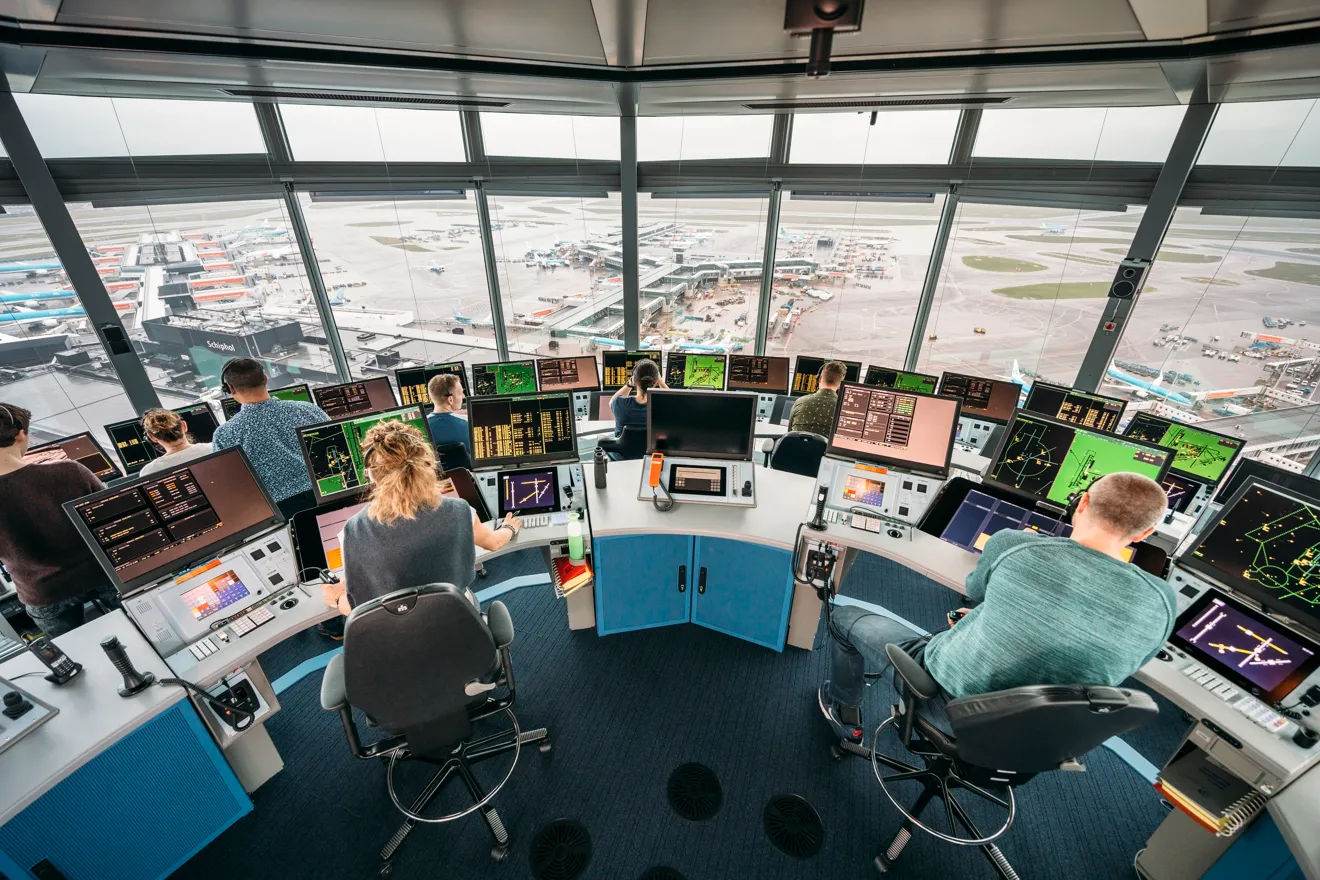
Verbeteren van airside veiligheidsrisicomanagement op luchthavens
Identificeren van menselijke en organisatorische factoren achter aanhoudende airside veiligheidsrisico's om het veiligheidsmanagement van luchthavens te versterken.
Verbeteren van airside veiligheidsrisicomanagement op luchthavens
Identificeren van menselijke en organisatorische factoren achter aanhoudende airside veiligheidsrisico's om het veiligheidsmanagement van luchthavens te versterken.
Challenge
Ondanks meerdere veiligheidsinterventies op luchthavens blijven restrisico's soms bestaan in airside operaties. De taak is dan om de diepere, systemische menselijke en organisatorische factoren te begrijpen die bijdragen aan deze risico's.
Impact
Zo'n onderzoek laat zien dat menselijke en organisatorische factoren de voornaamste oorzaken zijn van restrisico's in airside operaties. Leiderschapspraktijken moeten vaak beter afgestemd worden op veiligheidsdoelstellingen.
Approach
Voor een grote Europese luchthaven voerden wij een veelzijdig onderzoek uit, waarbij veiligheidscultuurenquêtes, analyse van incidentdatabases, focusgroepen en veldobservaties zijn gecombineerd. Onze aanpak omvatte ook een gap-analyse van huidige managementpraktijken ten opzichte van internationale veiligheidsmanagementkaders.
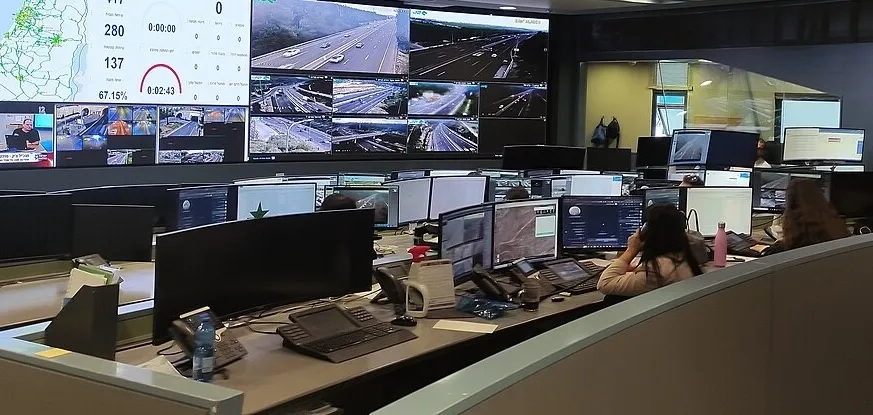
Integreren van een multidomein verkeerscentrale
Ondersteunen van de organisatorische en operationele integratie van verschillende soorten verkeersmanagement in één verkeerscentrale.
Integreren van een multidomein verkeerscentrale
Ondersteunen van de organisatorische en operationele integratie van verschillende soorten verkeersmanagement in één verkeerscentrale.
Challenge
Voor het optimaliseren van dienstverlening kan het efficiënt zijn om diensten die elkaar aanvullen samen te voegen in één geïntegreerde verkeerscentrale om de dienstverlening te optimaliseren. De uitdaging is dan niet alleen technologisch maar ook organisatorisch: hoe verschillende operationele culturen, rollen en procedures op elkaar af te stemmen?
Impact
De integratie van meerdere verkeersmanagamentsystemen benadrukt het belang van duidelijke rollen, effectieve communicatie en naadloze samenwerking tussen belanghebbenden. Het project bij een provincie toonde aan dat een uniforme benadering van operaties niet alleen de efficiëntie verbeterde maar ook de veiligheid verhoogde.
Approach
Voor een provincie met wegverkeer, brug- en sluisbediening voerden wij na analyses van werkprocessen en de dagelijkse uitvoering ervan een reeks participatieve workshops uit met alle relevante belanghebbenden, waaronder operators, managers en vakbondsvertegenwoordigers. Door middel van rollenspellen, scenariogebaseerde oefeningen en mock-ups onderzochten wij hoe verschillende domeinen geïntegreerd konden worden en ontworpen wij nieuwe digitale tooling die het incidentmanagement voor alle belanghebbenden binnen en buiten de centrale kon ondersteunen.

Ontwikkelen van een toekomstbestendig bemensingsmodel gebaseerd op werkbelasting voor de binnenvaart
Toegepast onderzoek voor een evidence-based bemensingsmodel voor de Europese binnenvaart waarbij de bemanningseisen zijn afgestemd op de werkbelasting.
Ontwikkelen van een toekomstbestendig bemensingsmodel gebaseerd op werkbelasting voor de binnenvaart
Toegepast onderzoek voor een evidence-based bemensingsmodel voor de Europese binnenvaart waarbij de bemanningseisen zijn afgestemd op de werkbelasting.
Challenge
De binnenvaart in Europa heeft de afgelopen decennia een transformatie ondergaan. De bestaande bemanningsregelgeving, die meer dan dertig jaar oud is, houdt geen rekening meer met de technologische ontwikkelingen en de veranderende arbeidsmarkt.
Impact
Het project benadrukte het belang van het integreren van werkbelastingsoverwegingen in bemanningsregelgeving, waarbij de impact van moderne technologie en een vergrijzend personeelsbestand centraal stonden. De bevindingen benadrukten de noodzaak van evidence-based regelgeving.
Approach
Onze aanpak omvatte diepgaand onderzoek naar de werkbelasting van bemanning in de moderne Europese binnenvaart. Wij identificeerden belangrijke factoren zoals type lading, taakcomplexiteit, kritieke omgevingsvariabelen en het effect van automatisering. Dit was de basis voor het nieuwe taakgebaseerde bemensingsmodel.
Explore whether our approach fits your context
If this way of working aligns with the challenges you face, we can explore whether Intergo’s role would add value in your context.

ISO-gecertificeerd