Explore whether our approach fits your context
If this way of working aligns with the challenges you face, we can explore whether Intergo’s role would add value in your context.

Technologische en organisatorische verandering die werkt voor mensen
Technologische en organisatorische verandering die werkt voor mensen
Organisaties met complexe systemen zijn voortdurend in beweging. Technologie ontwikkelt zich, processen veranderen en organisaties passen zich aan. Tegelijkertijd moet de dagelijkse operatie doorgaan: veilig, betrouwbaar en efficiënt.
Dat vraagt veel van sectoren zoals spoor, maritiem en nautisch, offshore, energie, industrie en gezondheidszorg. Daar werken mensen met systemen waarop dagelijks wordt vertrouwd, vaak in omgevingen waar fouten direct gevolgen kunnen hebben voor medewerkers, productiviteit, milieu of samenleving.
Juist daarom moet de samenwerking tussen mens, technologie en organisatie goed zijn ingericht.
Intergo adviseert én ontwerpt op het snijvlak van mens, technologie en organisatie. We werken op strategisch, tactisch en operationeel niveau: van richting en besluitvorming tot organisatie-inrichting, werkprocessen, technologie en werkplekken. We onderzoeken hoe werk in de praktijk verloopt, hoe mensen systemen gebruiken en waar risico’s of knelpunten ontstaan. Die inzichten vertalen we naar organisatorisch advies én concrete ontwerpen die mensen ondersteunen in hun werk.
Zo helpen we organisaties om veranderingen veilig en verantwoord door te voeren, met oog voor prestaties, veerkracht en gezondheid.
Hoe verandering werkt in de praktijk
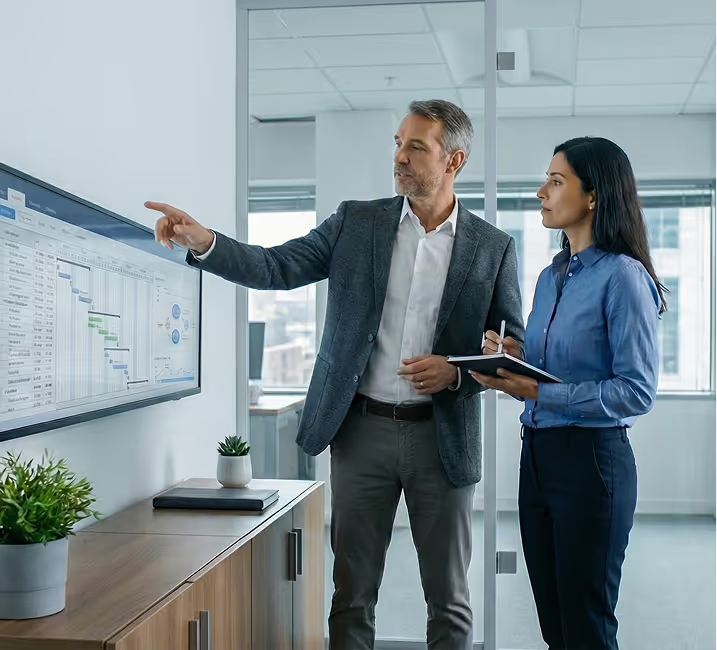
Verandering werkt echt wanneer strategische intenties zijn vertaald naar werkwijzen en technologie die mensen betrouwbaar kunnen gebruiken in de dagelijkse bedrijfsvoering.

Ervaring waar u op kunt vertrouwen
Vertrouwen wordt opgebouwd door werk dat de tand des tijds doorstaat.
Opeenvolgende organisatorische en technologische transformaties en innovaties
Organisaties ondersteund binnen gereguleerde en veiligheidskritische sectoren, in meerdere decennia.
Gemiddelde duur van strategische samenwerkingen, uiteenlopend van strategische intenties tot langdurig operationeel beheer.
In de praktijk: hoe wij organisaties hebben geholpen
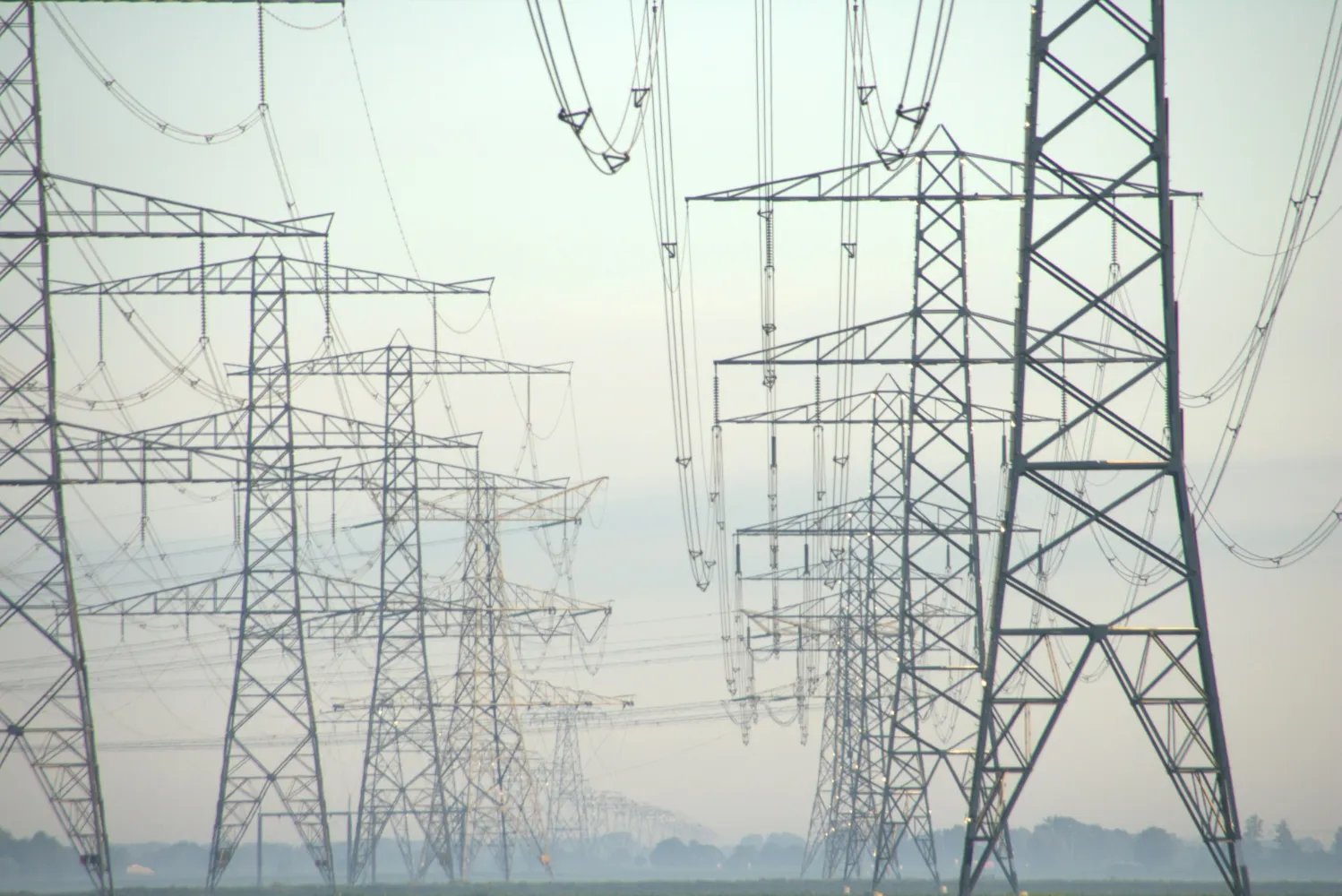
BCM-onderzoek naar organisatorische factoren achter stroomstoring bij een kritieke infrastructuurlocatie
Analyseren van de organisatorische factoren achter een stroomstoring bij een kritieke infrastructuurlocatie, met focus op Business Continuity Management (BCM) en de rol daarvan bij het beperken van risico's.
BCM-onderzoek naar organisatorische factoren achter stroomstoring bij een kritieke infrastructuurlocatie
Analyseren van de organisatorische factoren achter een stroomstoring bij een kritieke infrastructuurlocatie, met focus op Business Continuity Management (BCM) en de rol daarvan bij het beperken van risico's.
Challenge
Een stroomstoring bij een belangrijke infrastructuurlocatie kan leiden tot aanzienlijke operationele verstoringen. Ondanks de aanwezigheid van noodstroomsystemen zijn kritieke processen niet altijd gedurende meerdere uren beschikbaar, zodat het volledig herstel nog langer duurt.
Impact
Het onderzoek onthulde kritieke BCM-tekortkomingen, met name op het gebied van stroomredundantie, crisiscommunicatie en het ontbreken van een uitgebreide Business Impact Analysis (BIA). Belangrijke bevindingen betroffen onvoldoende geteste noodprotocollen en gefragmenteerde besluitvorming tijdens het incident.
Approach
Voor een organisatie voerden we een BCM-onderzoek gestructureerd uit rond de belangrijkste BCM-principes, zoals beschreven in ISO 22301, om te identificeren waar lacunes in organisatorische paraatheid en continuïteitsplanning bijdroegen aan het incident. Wij voerden een oorzaakanalyse uit, hielden interviews met belanghebbenden en beoordeelden documentatie.
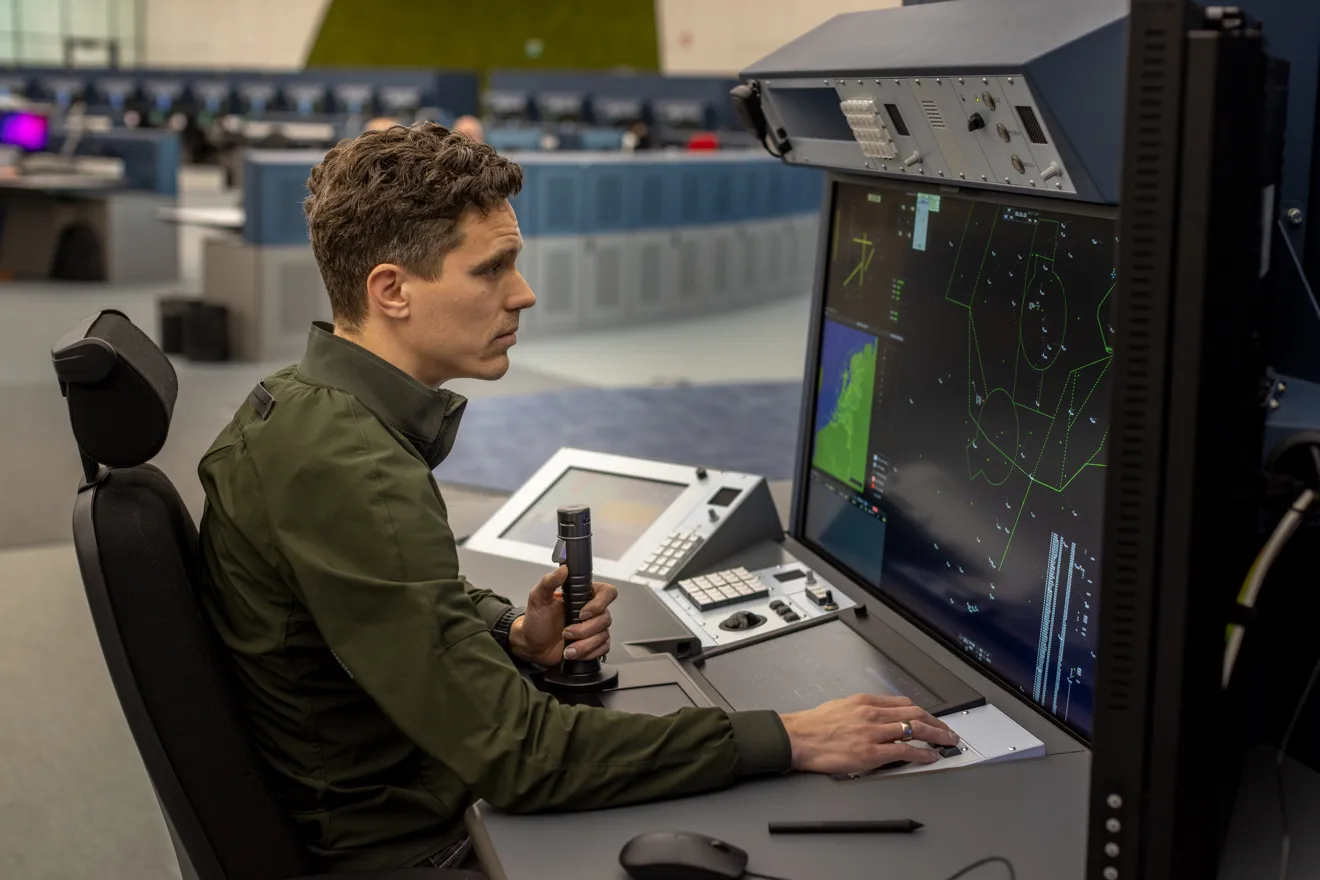
Veilige bediening op afstand
Ondersteuning bij de ontwikkelen en implementatie van technologieën die operators in staat stellen systemen op afstand te monitoren en te bedienen, zonder concessies te doen aan veiligheid of situationeel bewustzijn.
Veilige bediening op afstand
Ondersteuning bij de ontwikkelen en implementatie van technologieën die operators in staat stellen systemen op afstand te monitoren en te bedienen, zonder concessies te doen aan veiligheid of situationeel bewustzijn.
Challenge
Met de mogelijkheid om monitoring en detectie op afstand uit te voeren is het de vraag welke processen op afstand bediend kunnen worden en onder welke voorwaarden dit veilig en verantwoord kan. Het is daarbij noodzakelijk om de risico's van minder direct toezicht goed te begrijpen, onder andere het verlies van lokaal situationeel bewustzijn, afhankelijkheid van beeldschermen en de impact op de werkbelasting van operators.
Impact
Met het kader zijn technologieën beoordeeld als ongeschikt of juist als sterk potentieel voor bediening op afstand. Technologieën met een positieve beoordeling worden vervolgens gedetailleerd uitgewerkt, inclusief het ontwerp van de operator-interface, trainingsbehoeften en operationele procedures.
Approach
Wij hebben onder andere voor een infrastructuurbeheerder een evaluatiekader ontwikkeld waarmee objecten en locaties beoordeeld worden op hun geschiktheid voor bediening op afstand. Dit kader analyseert factoren zoals complexiteit van de bediening, beschikbare technologie voor monitoring, lokale omgevingsfactoren en de vereiste mate van situationeel bewustzijn. Op basis hiervan worden objecten geclassificeerd als meer of minder geschikt voor bediening op afstand.
ISO-gecertificeerd