Explore whether our approach fits your context
If this way of working aligns with the challenges you face, we can explore whether Intergo’s role would add value in your context.

Driving organisational and technological change that works for people
Driving organisational and technological change that works for people
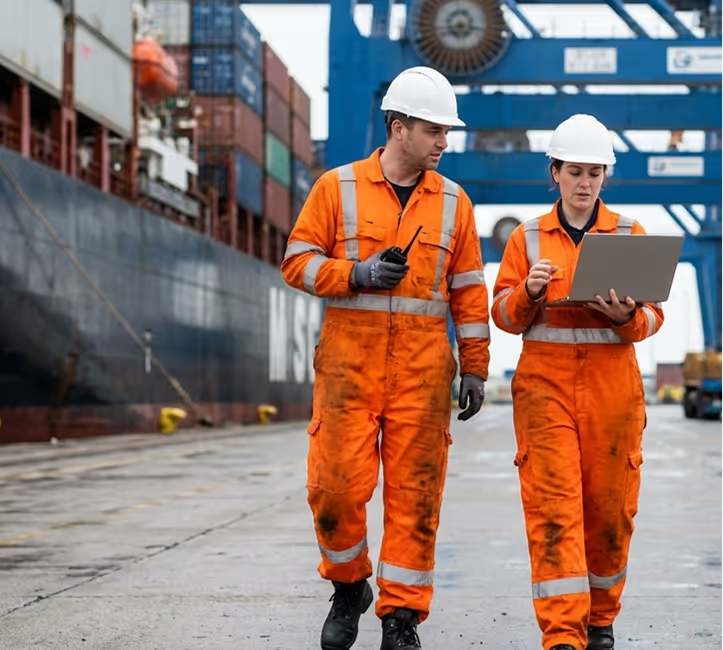
Organisations that operate complex systems face a constant challenge. Technology evolves. Organisations adapt. At the same time, daily operations must continue safely and reliably. This is the reality in sectors such as rail, maritime and nautical operations, offshore and nucleair energy, industry and healthcare. These organisations design, build and operate systems that people depend on every day. Some of these systems operate in environments where failures can have serious consequences for people, the environment or society. In such contexts, the interaction between people, technology and organisation must work reliably.
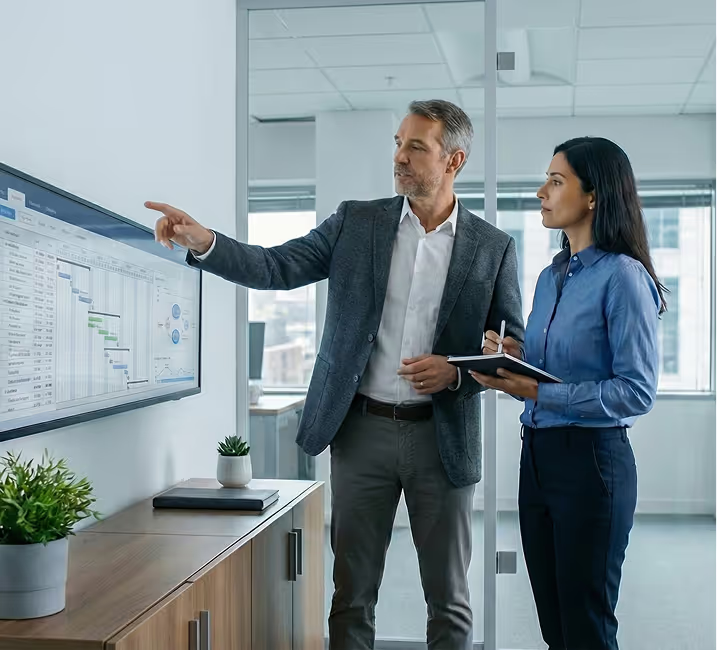
Intergo works in complex socio-technical systems where people, technology and organisations must function together. We study how work is actually performed, how systems are used, and how decisions are made in real operational situations. Based on this understanding, we help organisations design systems, organisation and workplaces that support people in doing their work safely and effectively, while strengthening resilience and improving safety management. At the same time, we help organisations achieve their operational goals, such as efficiency, reliability and performance, in a way that is safe and healthy for the people involved.
That is what Intergo helps organisations achieve.
How change works in practice
Change works when strategic intent is translated into ways of working and technology that people can use reliably in daily operations.
Experience you can rely on
Trust is built through work that stands up over time.
Continuity across multiple generations of organisational and technological change
Organisations supported across regulated and safety-critical sectors over multiple decades.
Average duration of strategic partnerships, supporting systems from strategic intent through long-term operation.
In practice: how we've helped organisations
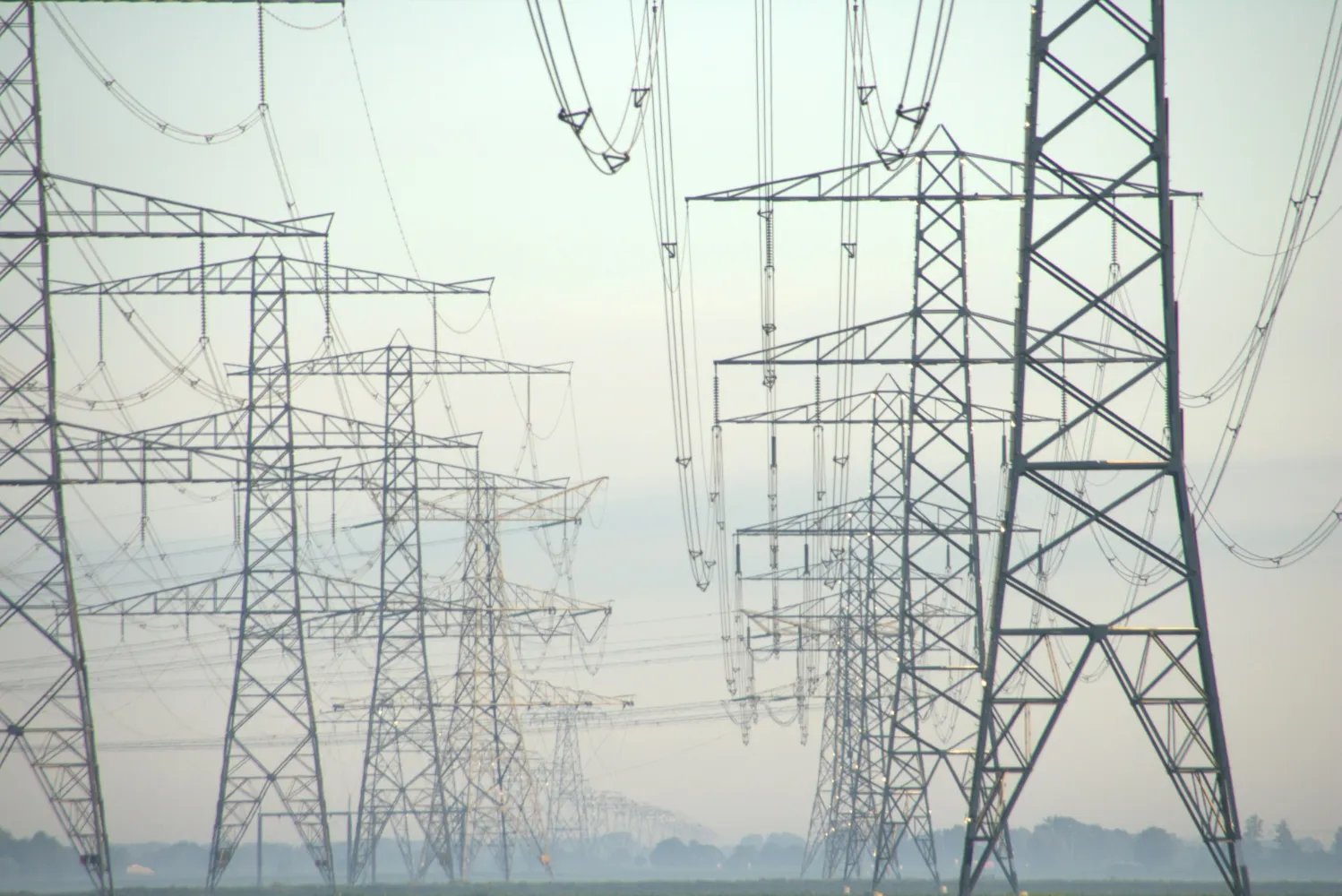
BCM investigation into organisational factors behind power outage at a critical Infrastructure location
Analysing the organisational factors behind a power outage at a critical infrastructure location, with a focus on Business Continuity Management (BCM) and its role in mitigating risks.
BCM investigation into organisational factors behind power outage at a critical Infrastructure location
Analysing the organisational factors behind a power outage at a critical infrastructure location, with a focus on Business Continuity Management (BCM) and its role in mitigating risks.
Challenge
A power outage at a key infrastructure location led to significant operational disruptions. Despite the presence of emergency power systems, critical processes were unavailable for several hours, with limited backup capacity. The challenge was to assess the organisational and procedural shortcomings that contributed to the extended downtime and impact on service delivery.
Impact
The investigation revealed critical BCM shortcomings, particularly in the areas of power redundancy, crisis communication, and the lack of a comprehensive Business Impact Analysis (BIA). Key findings highlighted the absence of integral BCM integration across departments, unclear ownership of critical processes, and the failure to conduct realistic testing of backup systems. The study provided actionable recommendations to improve BCM practices, including stronger cross-departmental ownership, more rigorous testing of emergency systems, and the establishment of clear escalation procedures. These recommendations were aimed at strengthening the organisation's ability to respond to future incidents and ensuring the continuity of critical services.
Approach
The investigation was structured around the key BCM principles, as outlined in ISO 22301, to identify where gaps in organisational readiness and continuity planning contributed to the incident. We conducted a detailed analysis of the event’s timeline, including interviews with involved personnel, document review, and a system-wide assessment of operational dependencies. Special attention was given to areas where BCM elements were insufficiently implemented, such as redundant power supply, crisis communication, and response procedures.
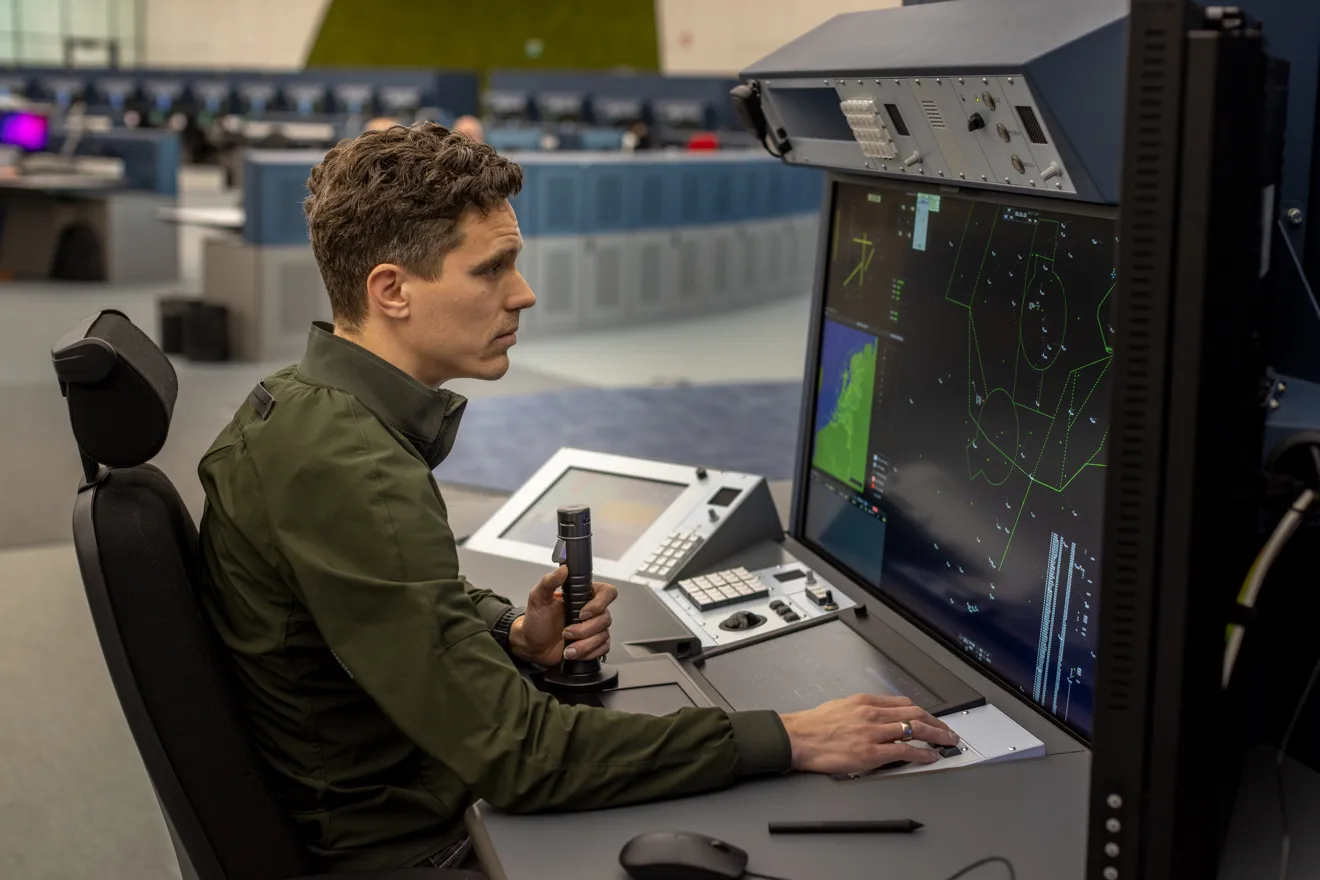
Supporting safe remote operations
Evaluating technologies that allow operators to monitor and control infrastructure safely from a distance.
Supporting safe remote operations
Evaluating technologies that allow operators to monitor and control infrastructure safely from a distance.
Challenge
An infrastructure operator wanted to understand which monitoring and detection technologies would best support remote operations. In remote environments, operators rely heavily on technical systems to maintain situational awareness and make safe decisions. Selecting the right technology was therefore critical for safe operation.
Impact
The evaluation identified technologies that were unsuitable as well as those that showed strong potential. The results provided clear guidance for selecting solutions that improve safety and operational reliability.
Approach
We developed an evaluation framework that combined performance measurements with qualitative feedback from operators. Technologies were assessed using methods such as eye-tracking, observations, and operator interviews. This allowed us to evaluate how effectively each solution supported decision-making.
ISO certified